
How to Handle Water Damage to Your Ceiling: A Homeowner's Guide
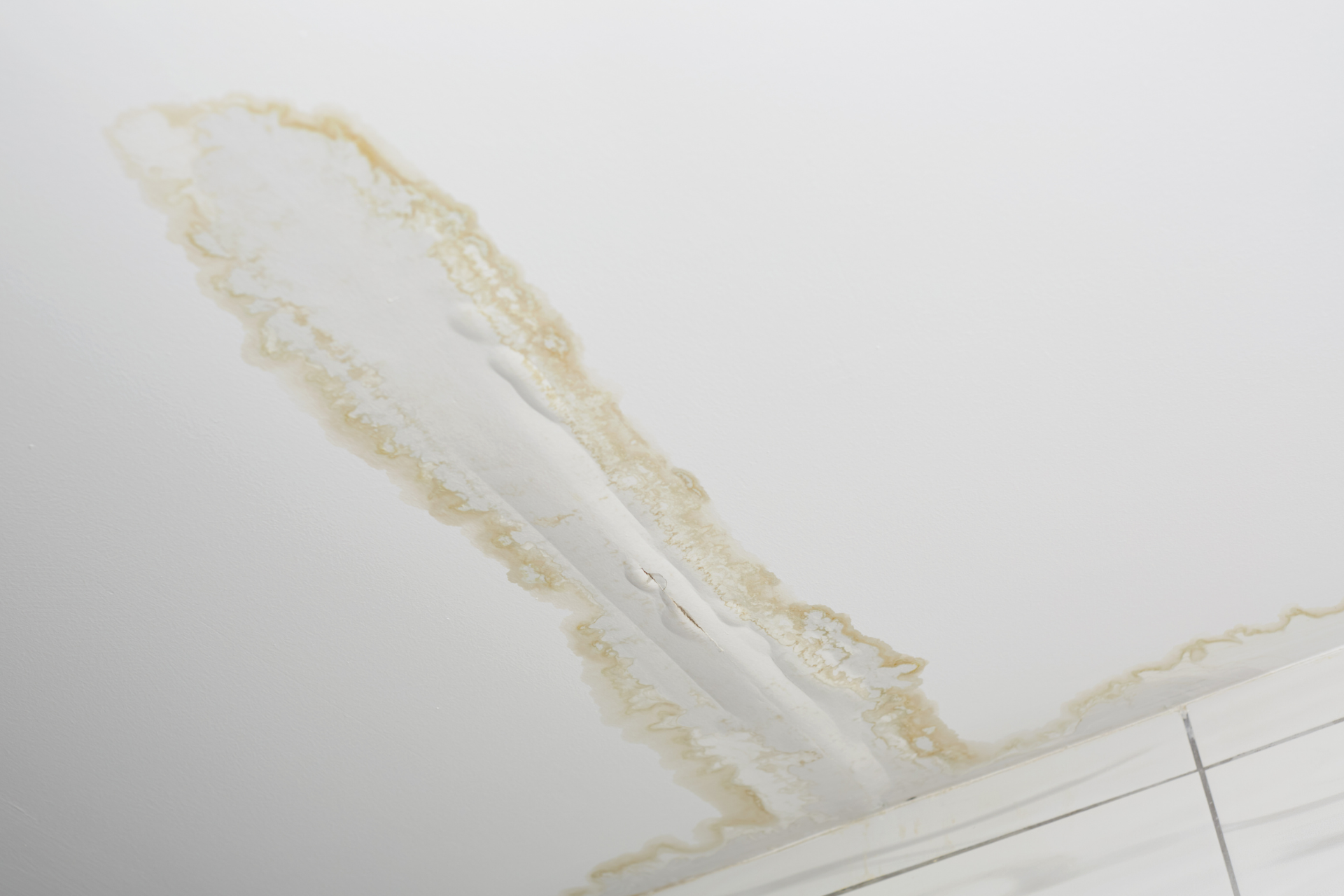
Water damage is one of the most insidious problems a homeowner can face, and when it shows up in the form of sagging ceilings or unsightly stains, it can be a real cause for concern. If you're a homeowner in Utah, dealing with water damage can be particularly challenging, especially with our varying climate. Fortunately, Utah Flood Guys is here to help you navigate the steps you need to take when water damage strikes.
Step 1: Identify the Source
The first step in addressing water damage is to determine where the water is coming from. Is it a leaky roof? A plumbing issue? An overflowing bathtub? Understanding the source will help you not only address the immediate problem but also prevent future occurrences. Check for visible leaks, drips, or areas of dampness. If you're dealing with hidden plumbing issues, you may need to consult a professional plumber to investigate further.
Step 2: Protect Your Belongings
Once you have identified the source, it’s time to protect your belongings. Move furniture and other valuables out of the way to minimize damage. If you have carpets or rugs beneath the affected area, take them out to dry them properly, as moisture can lead to mold growth.
Step 3: Turn Off the Power
Safety comes first! If you notice water dripping from the ceiling or near electrical outlets, head straight to your circuit breaker and turn off the power in that area. Water and electricity don’t mix, and this precaution could save you from serious risks.
Step 4: Remove the Water
If there’s pooling water or significant moisture, you’ll need to remove it as soon as possible. This could be as simple as soaking up small spills with towels, or you may need to use a wet/dry vacuum for larger amounts. The key is to act quickly to reduce the risk of mold and further damage.
Step 5: Assess the Damage
Once the area is dry, examine the extent of the damage to your ceiling. Look for discoloration, bubbling paint, or sagging areas that may indicate structural issues. If the damage is minimal, you may be able to patch it up yourself; however, extensive damage or sagging ceilings could require professional attention.
Step 6: Repair or Replace
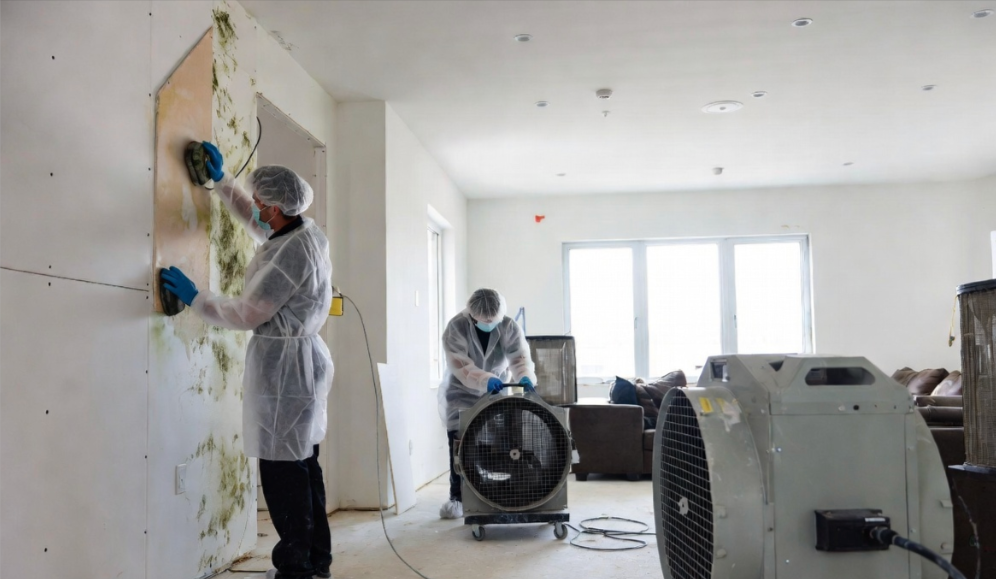
For minor damage, repairing might involve scraping away loose paint, applying a sealant, and repainting. If your ceiling is significantly damaged or you notice mold, it's advisable to contact a restoration professional like Utah Flood Guys. They can assess the damage comprehensively and provide effective remediation solutions, ensuring that not only is the damage repaired, but that your home is safe and healthy.
Step 7: Prevent Future Damage
Once the immediate problem has been addressed, take steps to prevent future water damage. Ensure gutters and downspouts are cleaned regularly, maintain your roof, and inspect plumbing regularly for leaks. Consider investing in a sump pump if you’re in a flood-prone area.
Water damage can be daunting, but with a proactive approach and the right support, you can navigate the challenges it brings. At Utah Flood Guys, we're dedicated to helping homeowners restore their spaces effectively and safely. If you’re battling water damage, don’t hesitate to reach out. We're just a call away!
Remember, when it comes to water damage, timely action can make all the difference. Stay vigilant, and take care of your home!
You might also like
Utah Flood Guys Blog