How to Deal with Sewage Backup in Your Home
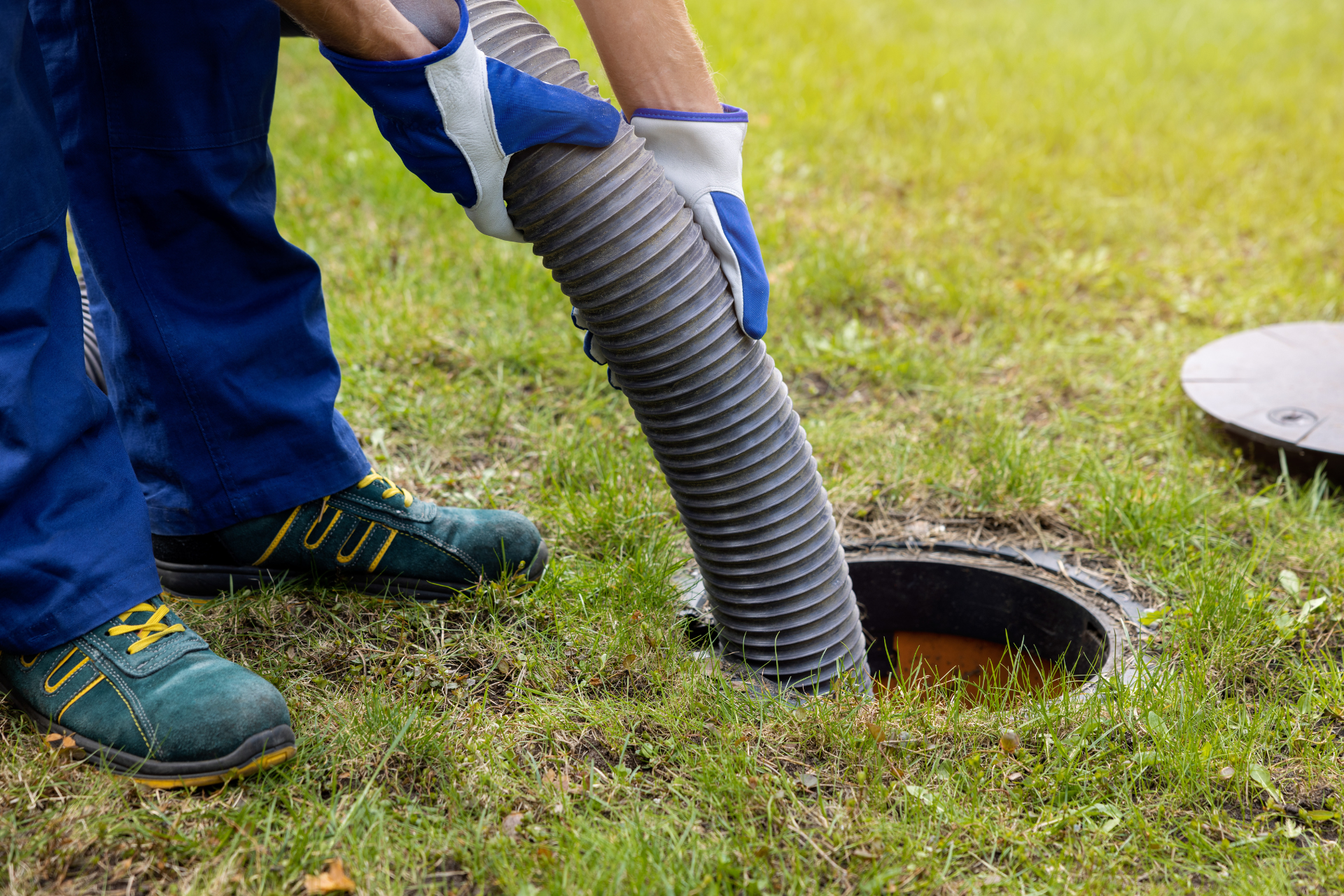
Sewage backup is a nightmare scenario that no homeowner wants to experience. Not only is it disgusting and foul-smelling, but it also poses serious health risks to you and your family. As a leading restoration company in Utah, Utah Flood Guys is all too familiar with the havoc that sewage backup can wreak. In this blog post, we'll share some essential tips on how to deal with sewage backup in your home, ensuring a safe and efficient cleanup process.
1. Stay Safe
The first and most important step when dealing with sewage backup is to prioritize safety. Sewage contains harmful bacteria, viruses, and other contaminants that can cause serious illnesses if ingested or inhaled. Therefore, it's crucial to wear protective gear such as rubber gloves, boots, and a mask before entering the affected area.
2. Stop the Source
If you discover sewage backup in your home, the first thing you should do is to stop the source of the overflow. This may involve shutting off the water supply or calling a plumber to fix any clogged drains or broken pipes causing the issue. By stopping the flow of sewage, you can prevent further damage and contamination.
3. Call the Professionals
Dealing with sewage backup is not a DIY job. It's essential to contact a reputable restoration company like Utah Flood Guys immediately. Our experienced team has the expertise, equipment, and resources to handle sewage cleanup safely and effectively. We can assess the extent of the damage, remove contaminated materials, disinfect the area, and restore your home to its pre-loss condition.
4. Ventilate the Area
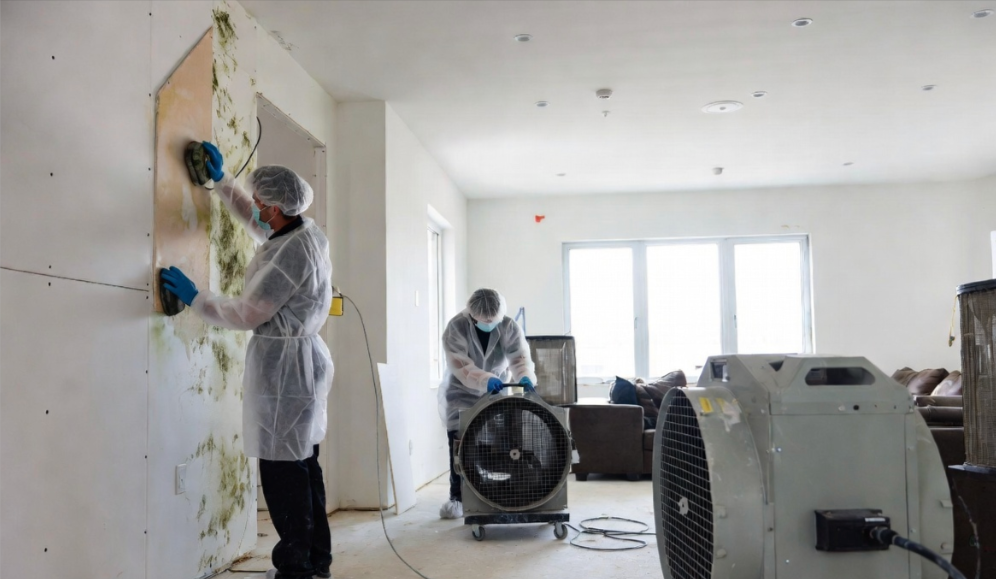
Proper ventilation is key when dealing with sewage backup. Open windows and doors to allow fresh air to circulate and help dry out the affected area. Using fans and dehumidifiers can also help speed up the drying process and prevent mold growth.
5. Disinfect and Clean
Cleaning up sewage backup requires thorough disinfection to kill harmful bacteria and pathogens. Utah Flood Guys uses professional-grade disinfectants and cleaning agents to eliminate contaminants and restore a hygienic environment. We also ensure that all surfaces and items exposed to sewage are properly sanitized to prevent the spread of germs.
6. Dispose of Contaminated Materials
Porous materials such as carpets, drywall, and upholstery that have been contaminated by sewage may need to be disposed of properly. Utah Flood Guys follows industry best practices for safe and responsible disposal of contaminated materials to prevent further contamination and health risks.
7. Take Preventative Measures
To minimize the risk of sewage backup in the future, consider taking preventative measures such as installing backwater valves, maintaining your plumbing system regularly, and avoiding flushing inappropriate items down the toilet or drain.
Dealing with sewage backup is a challenging and unpleasant task, but with the right approach and professional help, you can restore your home to a safe and healthy condition. Utah Flood Guys is here to assist you every step of the way, providing reliable and comprehensive sewage cleanup services when disaster strikes. Don't hesitate to contact us for immediate assistance and peace of mind.
You might also like
Utah Flood Guys Blog