Fire Prevention Tips for Utah Homeowners: Staying Safe Year-Round
As Utah homeowners, we cherish the beauty of our state and the safety of our families. While we may not like to think about the possibility of a fire breaking out in our homes, being prepared is crucial to keeping our loved ones and properties safe. At Utah Flood Guys, we care about the well-being of our community, which is why we've put together some essential fire prevention tips to help you stay safe year-round.
1. Install Smoke Alarms
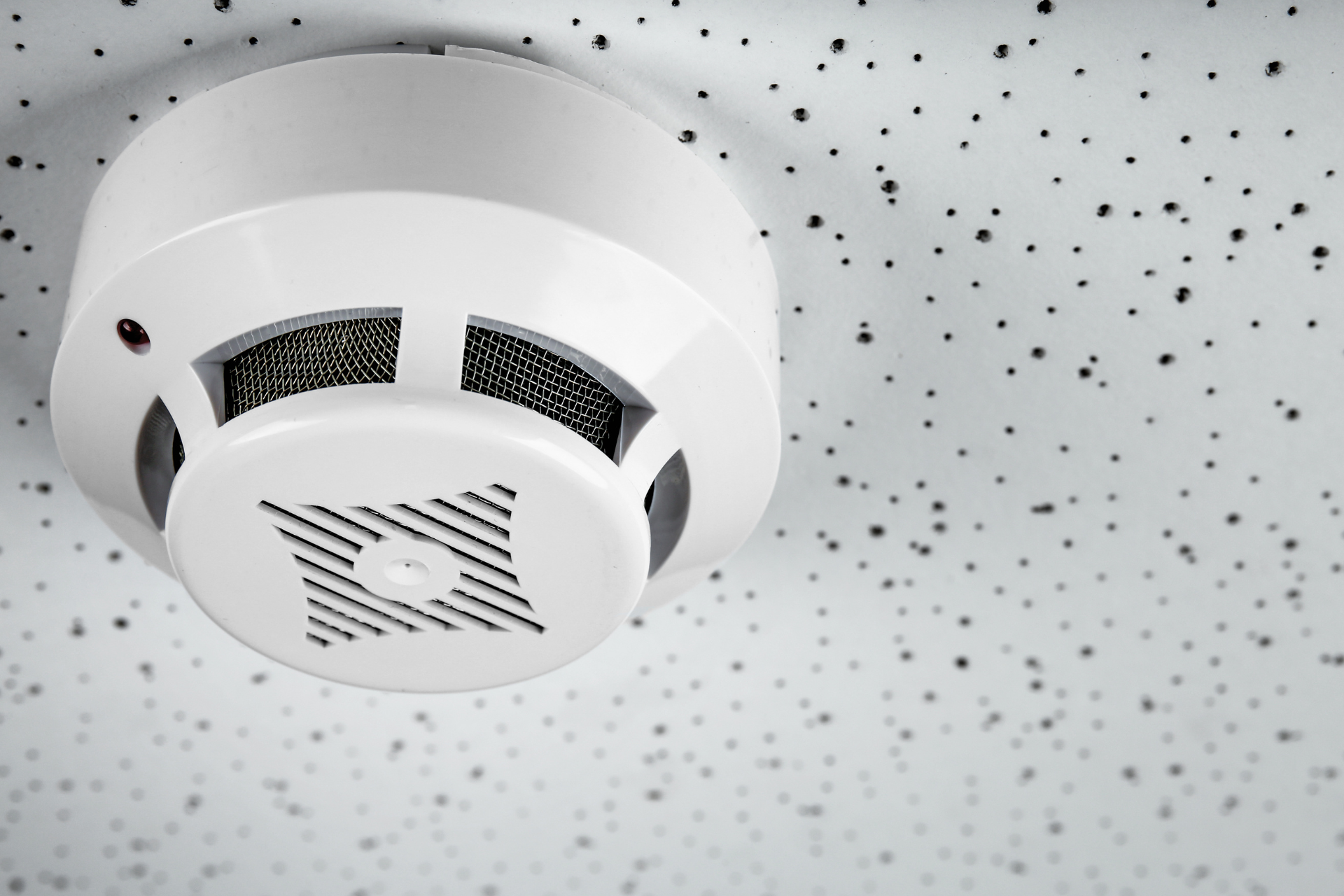
The importance of having working smoke alarms in your home cannot be emphasized enough. Make sure to have smoke alarms installed in every bedroom, on each level of your home, and outside sleeping areas. Test your alarms monthly and replace batteries at least once a year to ensure they are functioning properly.
2. Create a Fire Escape Plan
Develop a fire escape plan with your family and practice it regularly. Make sure everyone knows at least two ways to escape each room and establish a designated meeting spot outside. In the event of a fire, a well-rehearsed escape plan can save valuable time and lives.
3. Keep Flammable Items Away
Be mindful of where you store flammable materials such as cleaning products, gasoline, and propane tanks. Keep these items away from heat sources and store them in well-ventilated areas. Properly dispose of any rags or other materials soaked in flammable liquids.
4. Maintain Electrical Safety
Check electrical outlets and cords for signs of wear or damage regularly. Avoid overloading outlets and use power strips with built-in surge protectors where needed. If you notice flickering lights, tripped circuits, or other electrical issues, have them inspected by a qualified electrician.
5. Practice Kitchen Safety
Cooking fires are a leading cause of home fires in the United States. Never leave cooking unattended and keep flammable items such as towels and curtains away from the stovetop. In case of a small grease fire, smother the flames by covering the pan with a lid and turning off the heat.
6. Keep an Eye on Heating Sources
Whether you use a fireplace, wood stove, or space heater to keep warm during the winter months, it's essential to exercise caution. Keep combustible materials at least three feet away from heating sources, and never leave them unattended. Have your heating systems inspected annually by a professional.
7. Store Fire Extinguishers
Make sure you have a fire extinguisher in an easily accessible location in your home. Learn how to operate it correctly and teach your family members to do the same. A fire extinguisher can be a life-saving tool in the event of a small fire outbreak.
8. Conduct Regular Home Maintenance
Regularly inspect your home for potential fire hazards such as damaged wiring, clogged dryer vents, and overloaded extension cords. Clean your chimney and gutters seasonally and keep vegetation trimmed away from your home to reduce the risk of wildfires.
By following these fire prevention tips, you can take proactive steps to safeguard your home and loved ones from the devastating effects of a fire. Remember, preparation is key to staying safe year-round. For professional fire damage restoration services in Utah, you can count on Utah Flood Guys to help you recover and restore your property. Stay safe, stay prepared, and protect what matters most.
You might also like
Utah Flood Guys Blog