Flood Damage Prevention: How to Safeguard Your Home
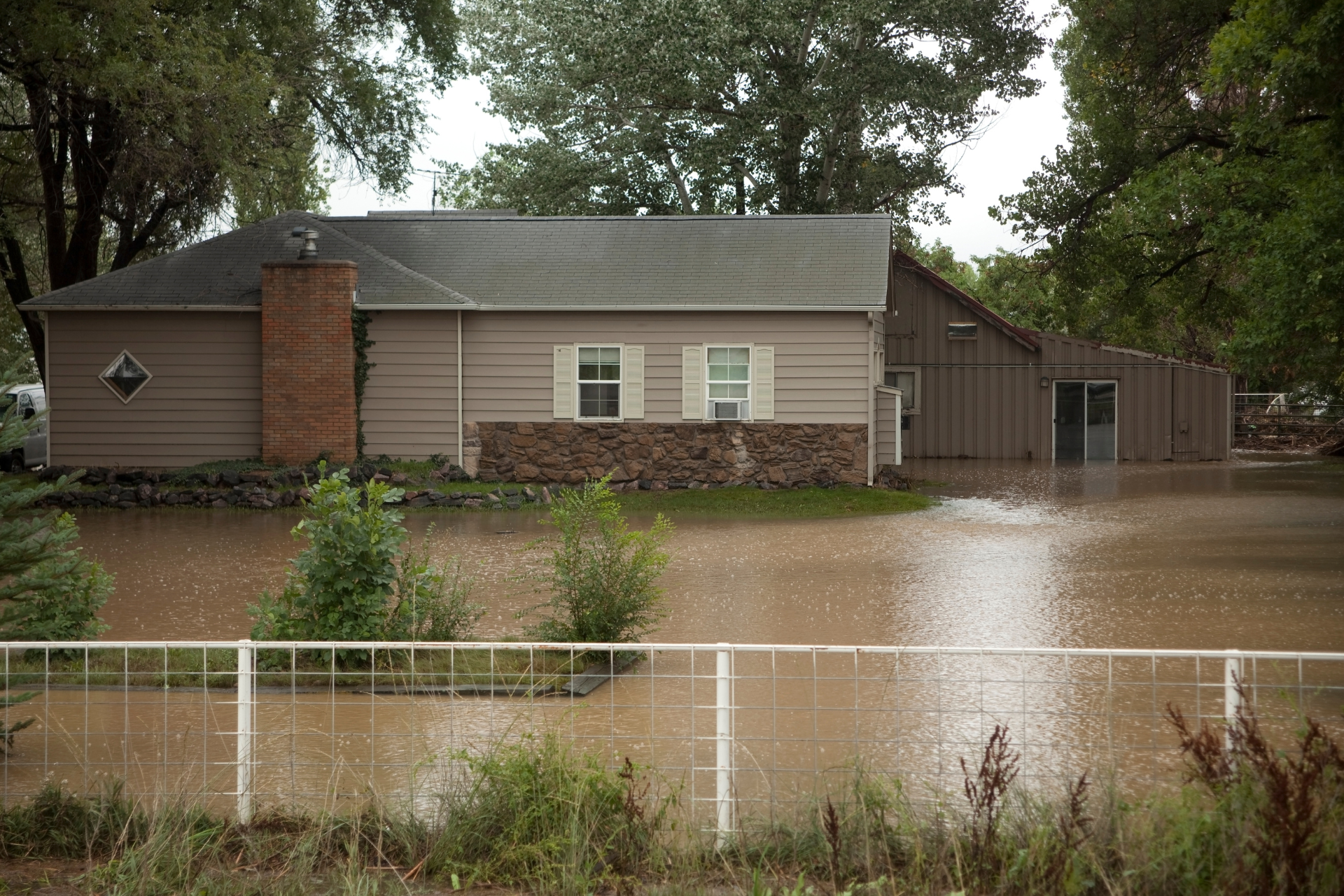
Hey there, homeowners! Are you ready to tackle the challenge of protecting your castle from potential flood damage? We understand that dealing with flood issues can be a real headache, but fear not! Utah Flood Guys are here to guide you through some essential tips and tricks to help you safeguard your home against water damage.
Flooding can occur for various reasons, such as heavy rainfall, burst pipes, or melting snow. The key is to be proactive in preparing your home to minimize the risk and potential devastation that water can bring. Let's dive into some practical steps you can take to protect your property:
1. Maintain Your Gutters and Downspouts:
One of the simplest ways to prevent flooding is to keep your gutters and downspouts clear of debris. Clogged gutters can cause rainwater to overflow and accumulate around your home's foundation, increasing the risk of water seepage into your basement. Regularly inspect and clean your gutters to ensure proper water flow away from your house.
2. Install Sump Pumps:
Sump pumps are your best friends when it comes to preventing basement flooding. These devices are designed to remove excess water from the lowest areas of your home, helping to keep your basement dry during heavy rains or floods. Consider installing a sump pump with a battery backup system to ensure it operates even during power outages.
3. Waterproof Your Basement:
Waterproofing your basement is a smart investment in protecting your home from potential flood damage. Seal any cracks in your basement walls or floors, and consider applying waterproofing coatings to prevent water infiltration. Installing a drainage system, such as French drains, can also help redirect water away from your home's foundation.
4. Elevate Appliances and Electrical Systems:
To minimize the risk of damage to your appliances and electrical systems in the event of a flood, consider elevating them above potential water levels. Move washers, dryers, furnaces, and electrical panels to higher ground, such as on raised platforms or shelves. This simple step can help prevent costly water damage and electrical hazards.
5. Landscape with Flood-Resistant Plants:
When planning your outdoor landscaping, opt for flood-resistant plants and materials. Choose porous materials for driveways and walkways to allow water to seep into the ground rather than pooling on the surface. Plant trees and shrubs strategically to help absorb excess water and reduce soil erosion.
6. Keep Valuables Elevated or Stored Safely:
Protect your precious belongings by keeping them elevated or stored in waterproof containers. Store important documents, electronics, and sentimental items on higher shelves or in waterproof bins to prevent water damage in case of a flood. Consider investing in a safe or off-site storage for added protection.
Remember, prevention is key when it comes to safeguarding your home against flood damage. By following these practical tips and being proactive in your approach, you can minimize the risk of water infiltration and protect your property from potential disaster.
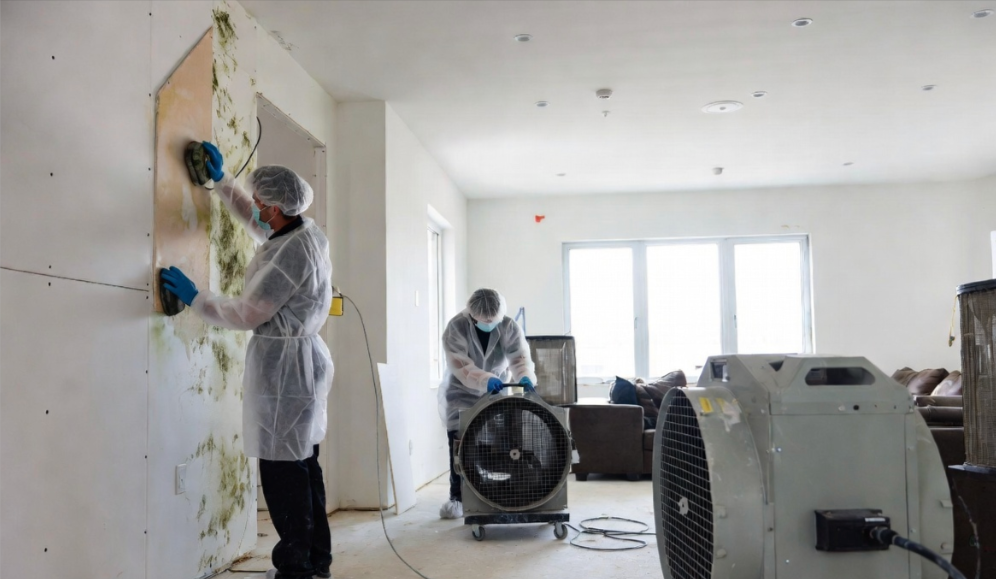
If you do encounter flood damage in your home, don't hesitate to reach out to Utah Flood Guys for professional restoration services. Our experienced team is here to help you with water damage cleanup, mold removal, and fire damage restoration, restoring your home to its pre-damaged condition.
Stay ahead of the game and safeguard your home against flood damage with these simple yet effective tips. Your home deserves the best protection, so start implementing these preventative measures today. Together, we can keep your home safe and dry, no matter what Mother Nature throws your way!
You might also like
Utah Flood Guys Blog