Fire Safety Tips: How to Protect Your Home and Family
Welcome back to the Utah Flood Guys blog! Today, we're talking about an important topic that affects millions of families each year: fire safety. A fire can be a devastating event, causing damage to your home and putting your loved ones at risk. But with some simple precautions and proactive steps, you can help protect your home and family from the dangers of a fire. Let's dive into some essential fire safety tips to keep you safe.
1. Install Smoke Alarms
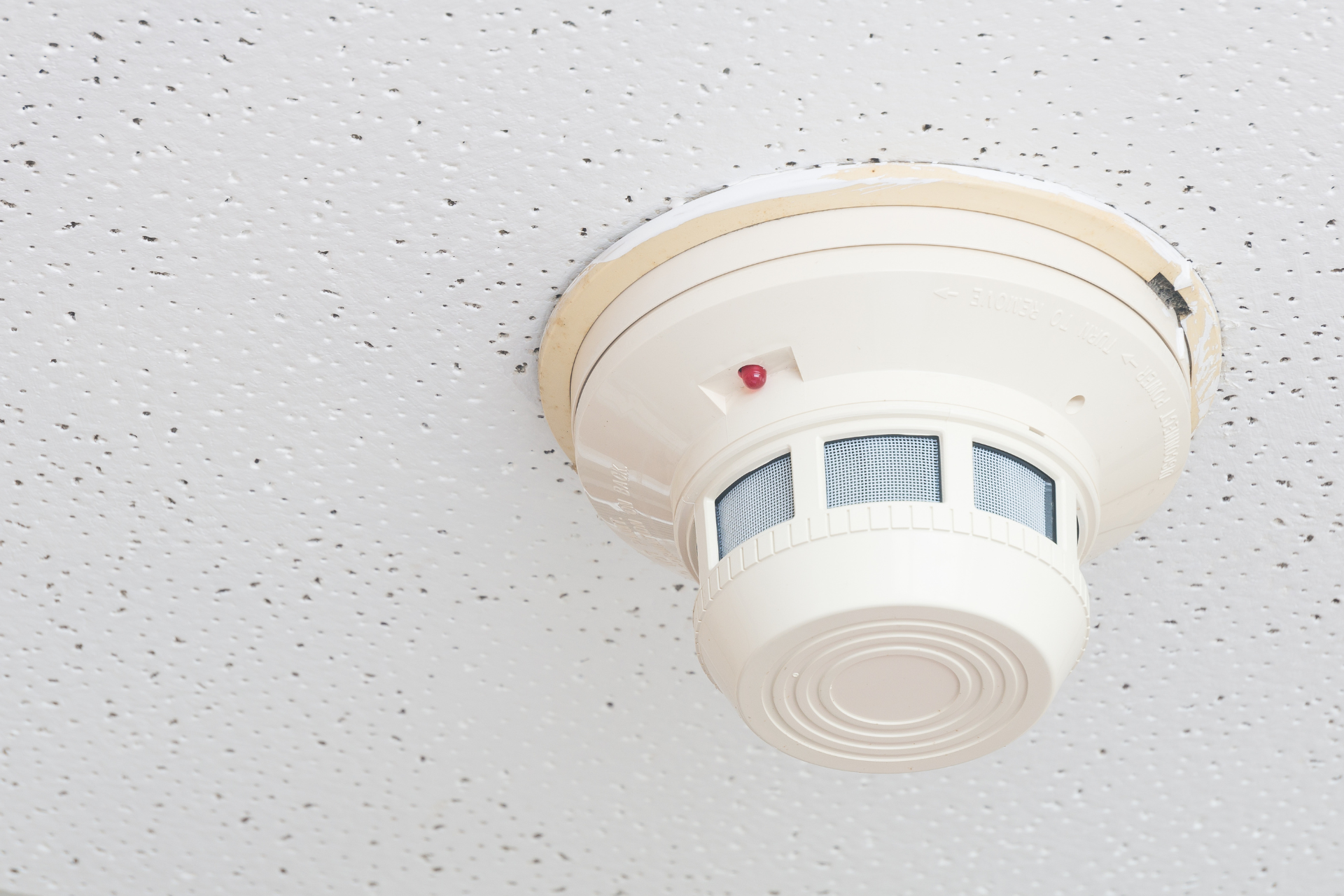
One of the most critical steps you can take to protect your home from a fire is to ensure that you have working smoke alarms installed on every level of your home and inside each bedroom. Smoke alarms can provide early warning in the event of a fire, giving you and your family precious time to escape safely. Make sure to test your smoke alarms regularly and replace the batteries at least once a year.
2. Create a Fire Escape Plan
Developing a fire escape plan is crucial for ensuring that everyone in your household knows what to do in case of a fire. Sit down with your family and outline multiple escape routes from each room in the house. Designate a meeting spot outside where everyone can gather after evacuating. Practice your fire drill regularly to make sure everyone is prepared.
3. Keep Flammable Items Away from Heat Sources
To prevent fires from starting in the first place, it's essential to be mindful of where you store flammable items in your home. Keep items like paper, curtains, and blankets away from heaters, stoves, and other heat sources. Never leave candles, cooking appliances, or space heaters unattended.
4. Use Caution When Cooking
Cooking-related fires are a common cause of residential fires. To reduce the risk of a kitchen fire, never leave the stove unattended while cooking. Keep flammable items away from the stove, and always turn off burners and ovens when you're finished cooking. Make sure to have a fire extinguisher in your kitchen and know how to use it.
5. Practice Safe Usage of Electrical Appliances
Overloaded circuits and faulty wiring can lead to electrical fires. Make sure your home's electrical system is up to date and have a professional inspect it regularly. Avoid overloading outlets and extension cords, and never run cords under rugs or furniture. Unplug appliances when not in use to prevent overheating.
6. Properly Store Hazardous Materials
Household chemicals, paints, and other hazardous materials should be stored properly in a cool, dry place away from heat sources. Make sure these items are sealed tightly and kept out of reach of children. Dispose of old or expired chemicals safely according to local regulations.
7. Have a Fire Extinguisher On Hand
Every home should have at least one fire extinguisher readily available. Make sure your fire extinguisher is in good working condition and that everyone in your household knows how to use it. Remember the acronym PASS: Pull the pin, Aim at the base of the fire, Squeeze the handle, and Sweep from side to side.
By following these fire safety tips, you can help protect your home and family from the devastating effects of a fire. In the event that you do experience a fire in your home, remember that the Utah Flood Guys are here to help. Our experienced team provides professional fire damage restoration services to help you get your life back on track. Stay safe and be prepared – your family's well-being is worth it.
Stay tuned to our blog for more tips on disaster preparedness and home protection. If you need assistance with water damage, mold removal, or fire damage restoration, don't hesitate to contact the experts at Utah Flood Guys. Your trusted partner in disaster cleanup and restoration.
You might also like
Utah Flood Guys Blog