Fire Damage Myths: Separating Fact from Fiction
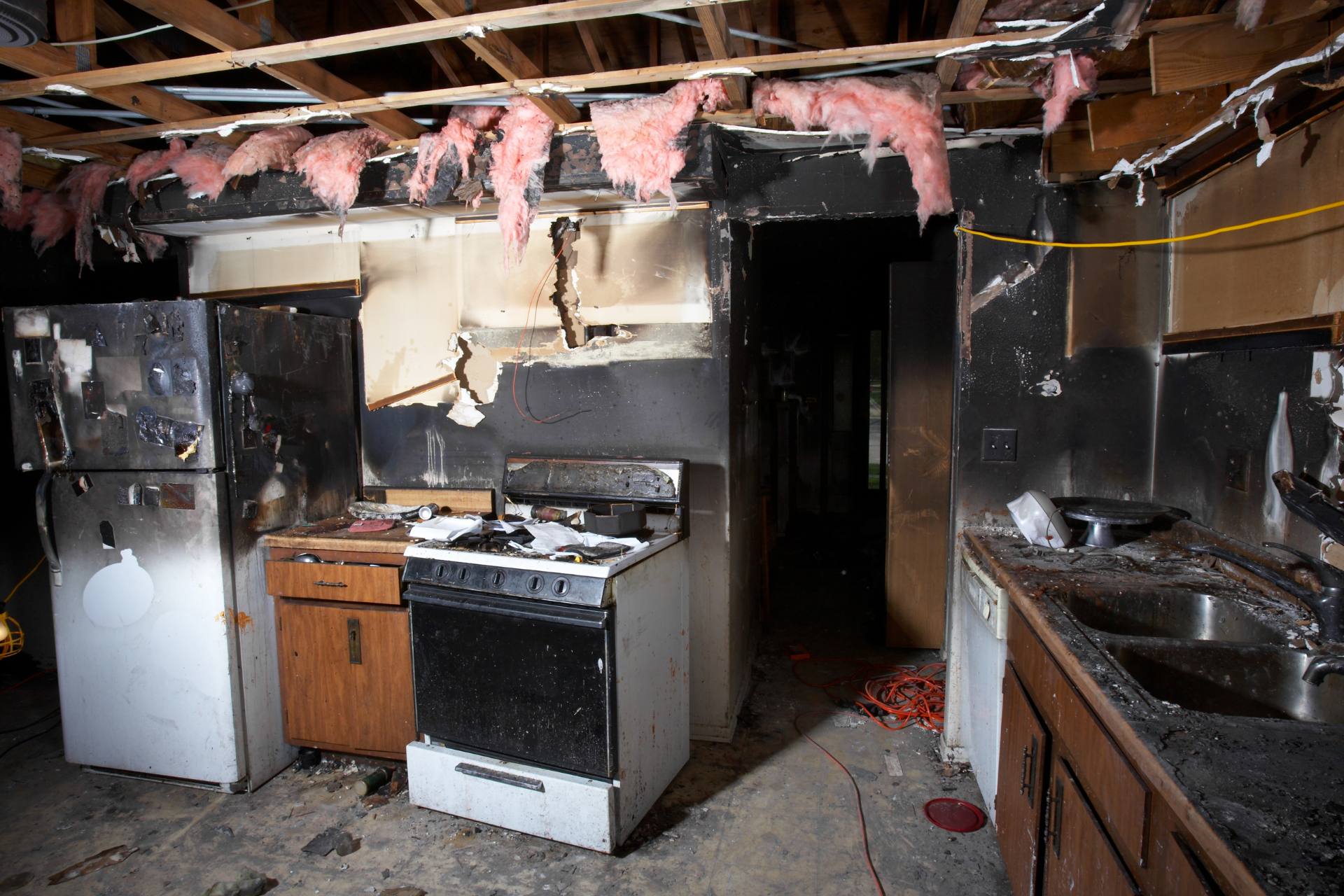
When it comes to fire damage, it's not just the flames that can wreak havoc on your property. The aftermath of a fire can be overwhelming, with smoke, soot, and water damage all posing significant challenges. In the midst of dealing with the aftermath, it's common for myths and misconceptions to circulate, causing confusion and potentially leading to costly mistakes. At Utah Flood Guys, we're here to debunk some of the most prevalent fire damage myths and provide you with the facts you need to navigate the restoration process effectively.
Myth 1: If the flames didn't touch it, it's not damaged.
One of the most common misconceptions about fire damage is that if an item or area of your property wasn't directly in the path of the flames, it is unharmed. However, smoke and soot can travel far beyond the fire's immediate vicinity, infiltrating walls, ceilings, furniture, and personal belongings. These invisible, odor-causing particles can cause extensive damage if not properly addressed.
Fact: Even areas untouched by flames can suffer from smoke and soot damage, requiring thorough cleaning and restoration to eliminate odors and restore safety.
Myth 2: You can clean up fire damage on your own.
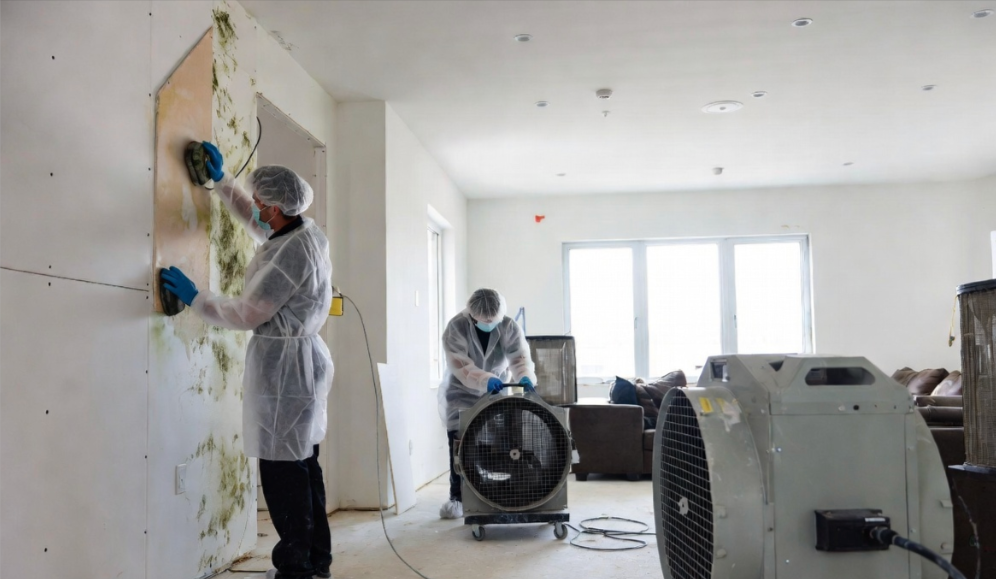
While it may be tempting to tackle fire damage restoration as a DIY project, the reality is that the process is complex and often requires specialized equipment and expertise. Without the proper training and tools, you may inadvertently cause further damage or leave behind hidden threats like smoke residue that can jeopardize your health and safety.
Fact: Hiring a professional fire damage restoration company like Utah Flood Guys ensures that the job is done correctly, efficiently, and safely, minimizing the risk of long-term issues and ensuring a thorough restoration.
Myth 3: All items damaged by fire are unsalvageable.
The sight of charred furniture, appliances, and personal belongings can be disheartening, leading many to assume that everything damaged by fire is beyond repair. While some items may be irreparably damaged, many can be salvaged through expert cleaning, restoration, and deodorization techniques.
Fact: A professional restoration team can assess the extent of the damage and determine which items can be restored, saving you time and money while preserving sentimental belongings and valuable possessions.
Myth 4: Insurance will cover all fire damage restoration costs.
While homeowners insurance typically covers fire damage restoration, there are often limits to coverage and specific requirements that must be met. Failing to follow proper procedures or document the damage adequately can result in a denial of your claim or insufficient reimbursement for restoration costs.
Fact: It's essential to work closely with your insurance provider and a reputable restoration company like Utah Flood Guys to ensure that all necessary steps are taken to maximize your coverage and expedite the restoration process.
Myth 5: The smell of smoke will dissipate on its own.
It's not uncommon for property owners to underestimate the persistent and pervasive nature of smoke odors following a fire. Simply airing out your home or using air fresheners is unlikely to fully eliminate the smell of smoke, which can linger in carpets, upholstery, walls, and insulation.
Fact: Professional deodorization techniques, such as ozone treatment and thermal fogging, are often necessary to eliminate smoke odors completely and restore your property to a safe and habitable condition.
In conclusion, separating fact from fiction when it comes to fire damage is crucial for effectively addressing the aftermath of a fire and restoring your property to its pre-loss condition. By debunking common myths and understanding the reality of fire damage restoration, you can make informed decisions and take proactive steps to mitigate damage, protect your health, and expedite the recovery process. If you find yourself facing the challenges of fire damage, trust the experienced team at Utah Flood Guys to provide reliable, comprehensive restoration services tailored to your needs. Stay informed, stay safe, and remember that you don't have to navigate the aftermath of a fire alone.
You might also like
Utah Flood Guys Blog