Emergency Preparedness: Creating a Plan for Water, Fire, and Mold Disasters
Disasters strike when we least expect them, and being prepared can make all the difference in minimizing damage and keeping your loved ones safe. Whether it's a burst pipe, a raging fire, or insidious mold growth, having a well-thought-out plan in place can be a lifesaver. At Utah Flood Guys, we understand the importance of preparedness in the face of water, fire, and mold disasters. In this blog post, we'll guide you through creating a comprehensive emergency plan to protect your home and family.
Water Disaster Preparedness
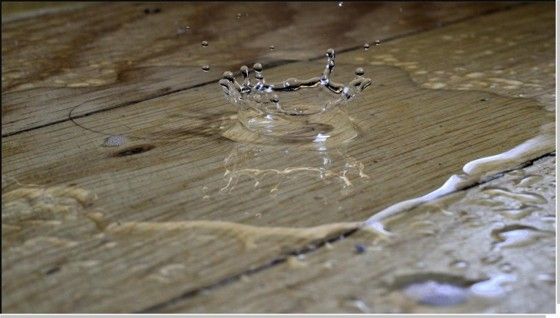
Water damage can occur suddenly, from a burst pipe or flooding, or slowly over time due to leaks. Regardless of the cause, the key to minimizing water damage is swift action. Here are steps to include in your water disaster preparedness plan:
1. Locate the main water shut-off valve in your home and make sure all family members know where it is and how to turn it off in case of a water emergency.
2. Keep emergency contact numbers handy, including your plumber and water damage restoration company like Utah Flood Guys.
3. Consider installing water leak detection devices that can alert you to potential problems before they escalate.
4. Create a household inventory and document valuable items for insurance purposes.
Fire Disaster Preparedness
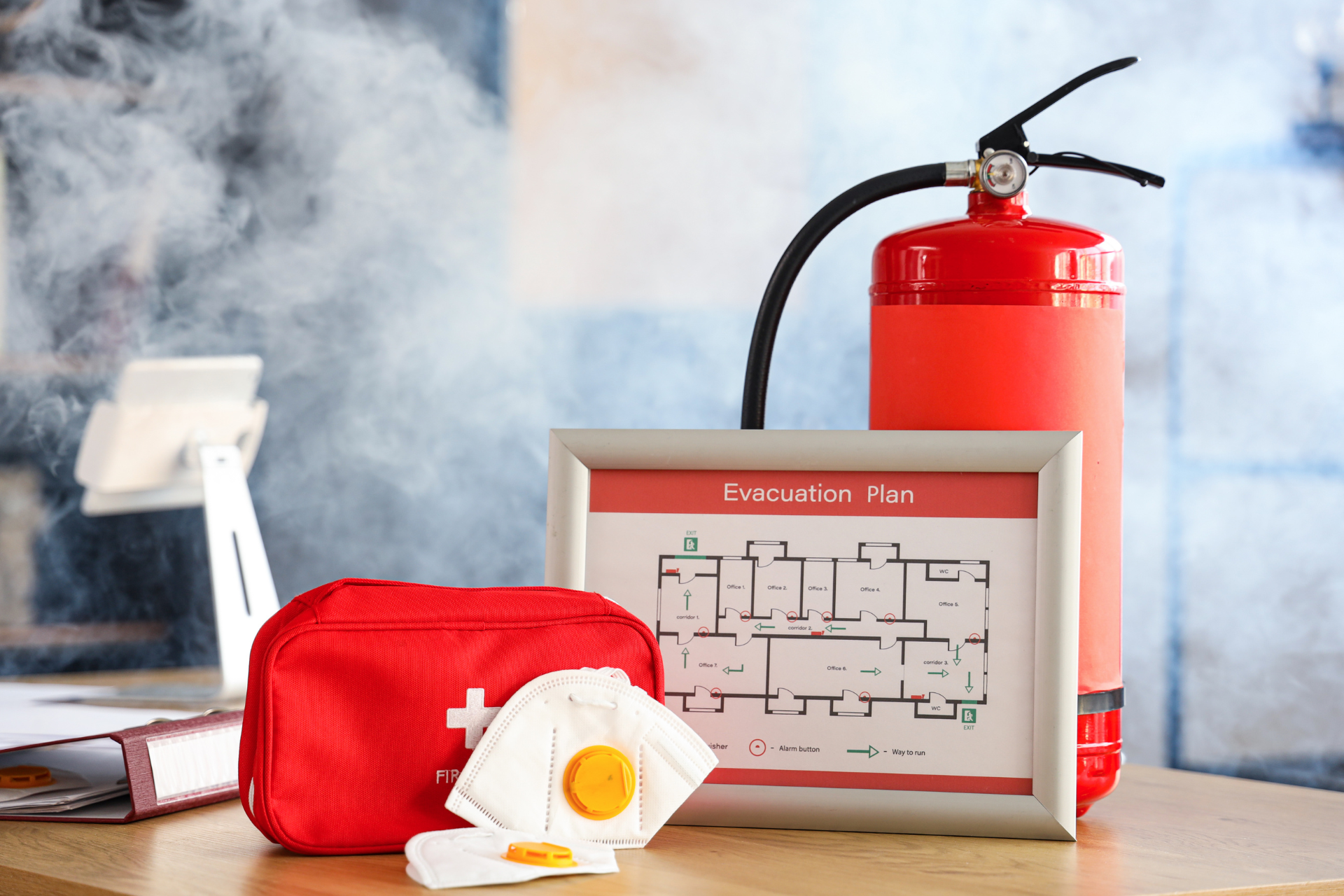
Fires are a devastating force that can destroy a home within minutes. Having a fire escape plan in place is crucial for the safety of your family. Here's what you can do to prepare for a fire disaster:
1. Install smoke alarms on every level of your home and test them regularly to ensure they are in working order.
2. Plan and practice fire escape routes with your family. Designate a meeting point outside the home where everyone can gather in case of a fire.
3. Keep fire extinguishers in key areas of your home, such as the kitchen and garage, and make sure everyone knows how to use them.
4. Store important documents and valuables in a fireproof safe to protect them in case of a fire.
Mold Disaster Preparedness
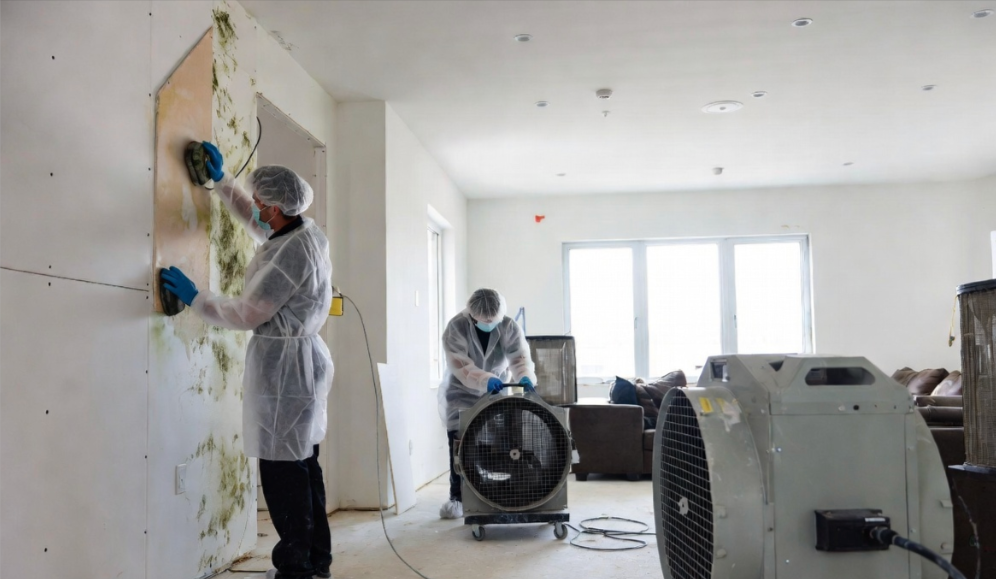
Mold thrives in damp, dark environments and can pose serious health risks to you and your family. Preventing mold growth and knowing how to handle it are essential components of your disaster preparedness plan. Here's what you can do to prepare for a mold disaster:
1. Keep your home well-ventilated and maintain humidity levels below 60% to discourage mold growth.
2. Inspect your home regularly for signs of mold, such as musty odors or visible growth, especially in areas prone to moisture like bathrooms and basements.
3. Address water leaks and moisture issues promptly to prevent mold from taking hold.
4. If you suspect mold growth in your home, contact a professional mold remediation company like Utah Flood Guys to assess the situation and safely remove the mold.
Creating an Emergency Kit
In addition to developing specific plans for water, fire, and mold disasters, it's essential to have an emergency kit on hand that includes essential items such as water, non-perishable food, a flashlight, batteries, a first aid kit, and important documents. Keep this kit in a designated, easily accessible location that all family members can reach in case of an emergency.
Remember, preparedness is key to effectively dealing with disasters. By taking the time to create a comprehensive emergency plan for water, fire, and mold disasters, you'll be better equipped to protect your home, your belongings, and your loved ones when disaster strikes. And should you ever need professional assistance in the aftermath of a disaster, Utah Flood Guys is here to help you restore your home and peace of mind.
Stay safe, stay prepared, and know that you're not alone in facing the challenges of water, fire, and mold disasters. Utah Flood Guys is just a call away, ready to assist you in your time of need.
You might also like
Utah Flood Guys Blog