Black Mold: The Facts and How to Deal with It Safely
Introduction:
Welcome back to the Utah Flood Guys blog, where we provide you with essential information on disaster cleanup and restoration services. Today, we're delving into the topic of black mold – a common issue that many homeowners and business owners face. Understanding the facts about black mold and knowing how to deal with it safely can help protect your property and your health.
What is Black Mold?
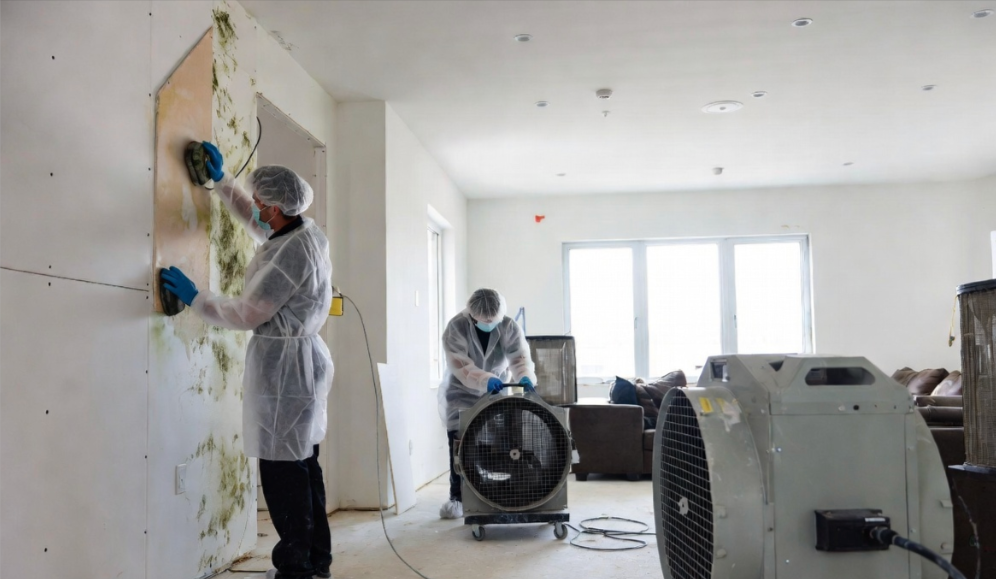
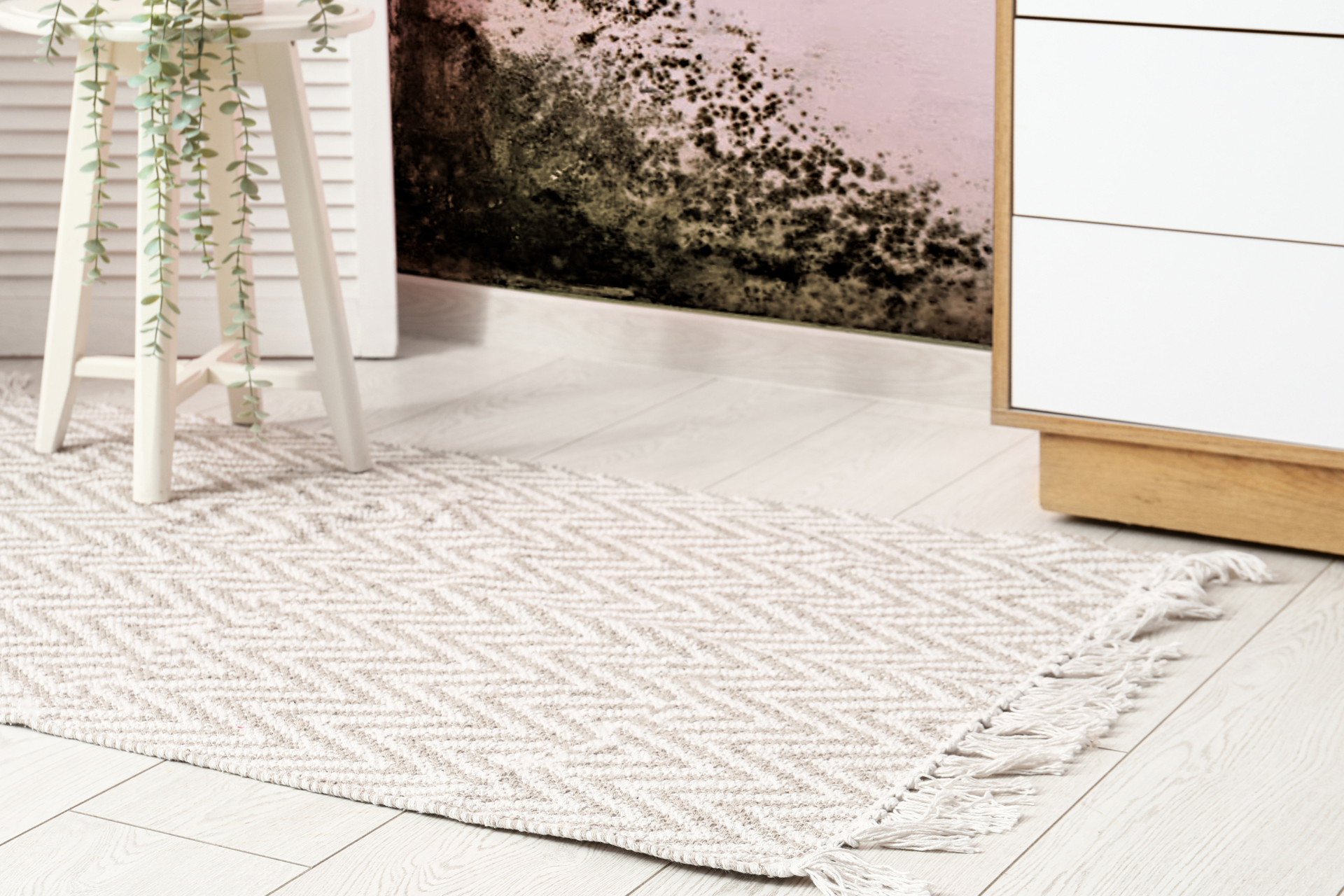
Black mold, also known as Stachybotrys chartarum, is a type of mold that thrives in damp, humid environments. It can often be found in areas that have experienced water damage or high levels of moisture. Black mold is characterized by its dark green or black color and a slimy or fuzzy texture.
Health Risks of Black Mold:
Exposure to black mold can pose serious health risks, especially for individuals with allergies, asthma, or compromised immune systems. Symptoms of black mold exposure may include respiratory issues, skin irritation, sinus congestion, headaches, and fatigue. Prolonged exposure to black mold can lead to more severe conditions, so it's important to address the issue promptly.
Identifying Black Mold:
Detecting black mold in your home or business is crucial for taking appropriate action. Common signs of black mold infestations include a musty odor, visible growth on walls or ceilings, water staining, and peeling paint or wallpaper. If you suspect black mold is present, it's essential to have a professional inspection conducted to confirm its presence and assess the extent of the problem.
Dealing with Black Mold Safely:
When it comes to addressing black mold, safety should always be a top priority. Here are some steps to help you deal with black mold safely:
1. Wear protective gear
Before attempting to clean up black mold, make sure to wear gloves, a mask, and goggles to protect yourself from exposure to mold spores.
2. Contain the area
Seal off the affected area to prevent the spread of mold spores to other parts of your property. Use plastic sheeting and duct tape to create a barrier.
3. Ventilate the space
Ensure proper ventilation by opening windows and using fans to improve air circulation during the cleanup process.
4. Clean and disinfect
Use a solution of water and detergent to scrub the affected surfaces. For porous materials like drywall or carpeting that are extensively contaminated, it may be necessary to remove and replace them.
5. Seek professional help
If the black mold infestation is extensive or if you're unsure about how to safely remove it, don't hesitate to contact a professional mold remediation company like Utah Flood Guys for assistance.
Preventing Black Mold:
Prevention is key when it comes to black mold. Here are some tips to help you reduce the risk of black mold growth in your property:
- Repair leaks promptly to prevent water damage.
- Maintain proper ventilation in areas prone to moisture, such as bathrooms and basements.
- Keep humidity levels below 60% to discourage mold growth.
- Regularly inspect your property for signs of water damage or mold growth.
Conclusion:
Black mold can be a serious threat to your property and your health, but armed with the right knowledge and tools, you can address the issue safely and effectively. Remember, when dealing with black mold, it's always best to err on the side of caution and seek professional help if needed. Utah Flood Guys is here to assist you with mold removal and other restoration services, ensuring that your property is clean, safe, and mold-free. Stay informed, stay safe, and don't let black mold take control of your space.
You might also like
Utah Flood Guys Blog