Top Myths About Mold Removal Debunked
Are you dealing with mold in your home or business and feeling overwhelmed by the misinformation out there? Don't worry - you're not alone. Mold removal is often surrounded by myths and misconceptions that can make the process seem daunting. But fear not, our team at Utah Flood Guys is here to set the record straight and debunk some of the top myths about mold removal.
Myth #1: Bleach is the Ultimate Mold Killer
One of the most common misconceptions about mold removal is that bleach is the best solution for eliminating mold. While bleach can help remove surface mold on non-porous materials, it is not effective for getting rid of mold on porous surfaces like drywall or wood. Moreover, bleach does not address the root cause of the mold growth, and it can actually make the problem worse by releasing harmful fumes into the air.
Myth #2: DIY Mold Removal is Safe and Effective
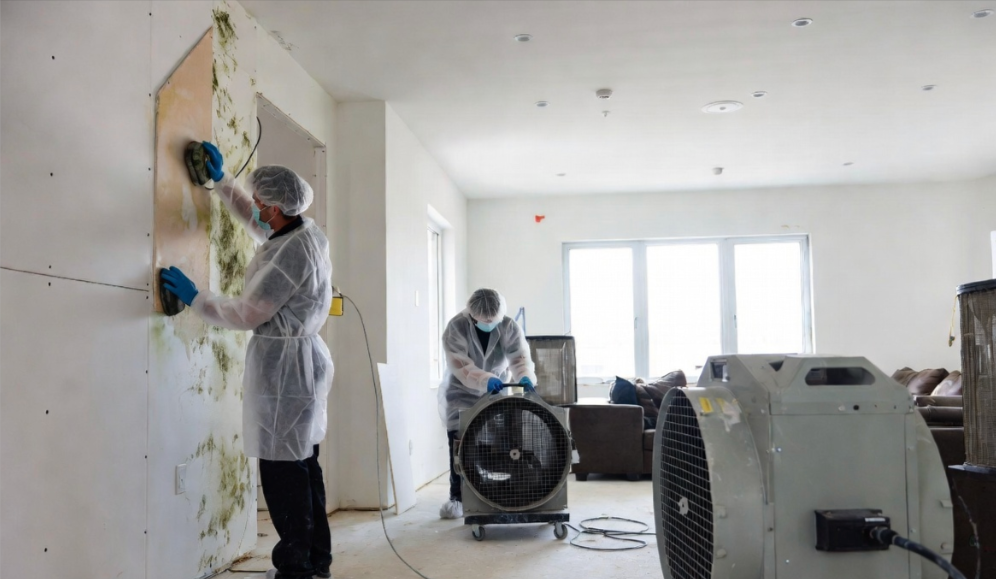
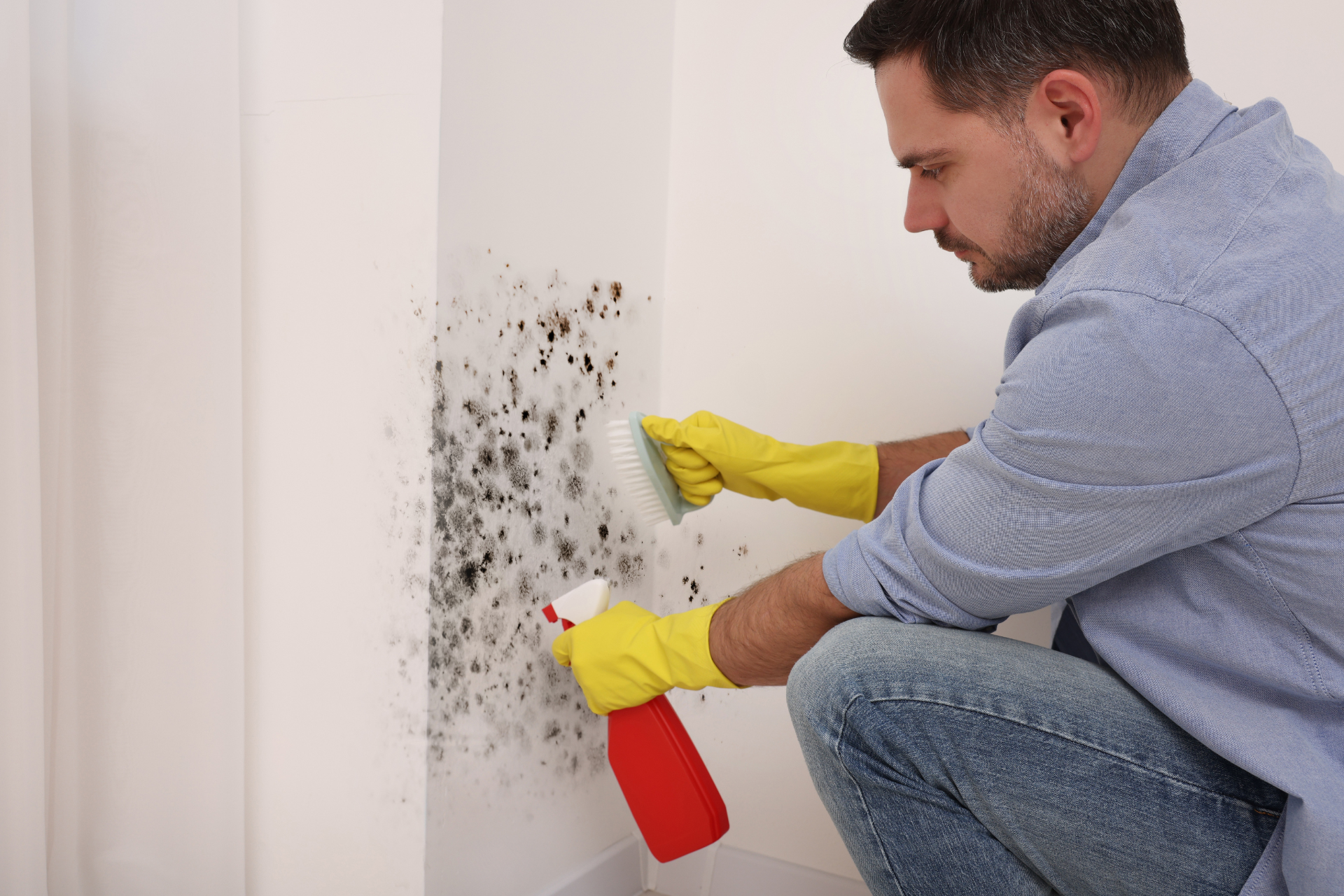
Many people believe that they can tackle mold removal on their own using household cleaners and DIY methods. However, mold can be dangerous to your health, and proper safety precautions need to be taken when dealing with it. DIY mold removal efforts are often ineffective, as they may not address the underlying cause of the mold growth. Professional mold removal experts have the training, equipment, and experience to ensure that mold is effectively and safely removed from your property.
Myth #3: Mold Remediation is Expensive
While the cost of mold removal varies depending on the extent of the mold growth and the size of the affected area, mold remediation is an investment in the health and safety of your home or business. Ignoring mold growth can lead to serious health issues and property damage, which can result in even greater expenses down the line. Hiring a professional mold removal company like Utah Flood Guys can save you time, money, and stress in the long run.
Myth #4: Mold Only Grows in Damp Areas
While it is true that mold thrives in damp and humid environments, it can also grow in areas with poor ventilation, leaks, or water damage. Mold spores are present everywhere in the environment, and given the right conditions, they can quickly multiply and spread throughout your property. Regular inspections, maintenance, and prompt water damage restoration are key to preventing mold growth in your home or business.
Myth #5: Once Mold is Removed, it Won't Come Back
Mold removal is just the first step in dealing with a mold problem. Without addressing the underlying moisture issue, mold is likely to return. To prevent mold from reoccurring, it is essential to identify and repair the source of moisture that led to the mold growth in the first place. Proper ventilation, humidity control, and regular inspections can help keep mold at bay and maintain a healthy indoor environment.
In conclusion, mold removal is a complex process that requires professional expertise and attention to detail. By debunking these common myths about mold removal, we hope to empower you with the knowledge and tools necessary to make informed decisions about protecting your home or business from mold. If you're facing a mold infestation, don't hesitate to reach out to Utah Flood Guys for reliable and efficient mold removal services. Stay informed, stay safe, and say goodbye to mold myths once and for all!
You might also like
Utah Flood Guys Blog