The Science Behind Drying Out Your Home After Water Damage

Water damage can strike unexpectedly, leaving a trail of destruction in its wake. Whether it’s a burst pipe, a leaky roof, or a natural disaster, dealing with water damage is a stressful experience for any homeowner. However, understanding the science behind drying out your home after water damage can make the restoration process smoother and more effective.
At Utah Flood Guys, we know the importance of quick and efficient water damage restoration. With years of experience in helping homeowners recover from water damage, we understand the science behind the drying process and the key factors that can make a difference in restoring your home to its pre-damage condition.
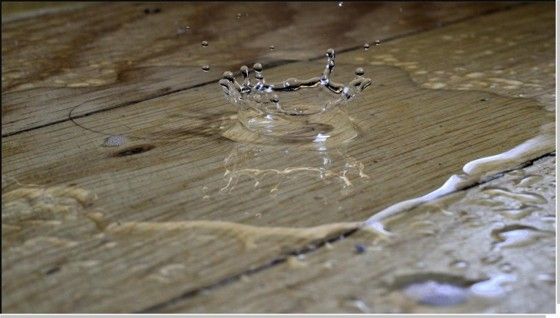
When it comes to water damage restoration, time is of the essence. The longer water sits in your home, the greater the damage it can cause. Water can seep into walls, floors, and ceilings, leading to structural damage and providing a breeding ground for mold and bacteria. That’s why it’s crucial to start the drying process as soon as possible to prevent further damage and potential health risks.
The science behind drying out your home after water damage involves a combination of techniques and equipment designed to remove excess moisture and restore a healthy indoor environment. Here are some key steps involved in the water damage restoration process:
1. Assessment and Inspection
The first step in drying out your home after water damage is to assess the extent of the damage and identify the source of the water intrusion. Our team of experts at Utah Flood Guys will conduct a thorough inspection to determine the best course of action for your specific situation.
2. Water Extraction
The next step is to remove any standing water from your home using specialized equipment such as pumps and wet/dry vacuums. This helps prevent further damage and prepares the space for the drying process.
3. Drying and Dehumidification
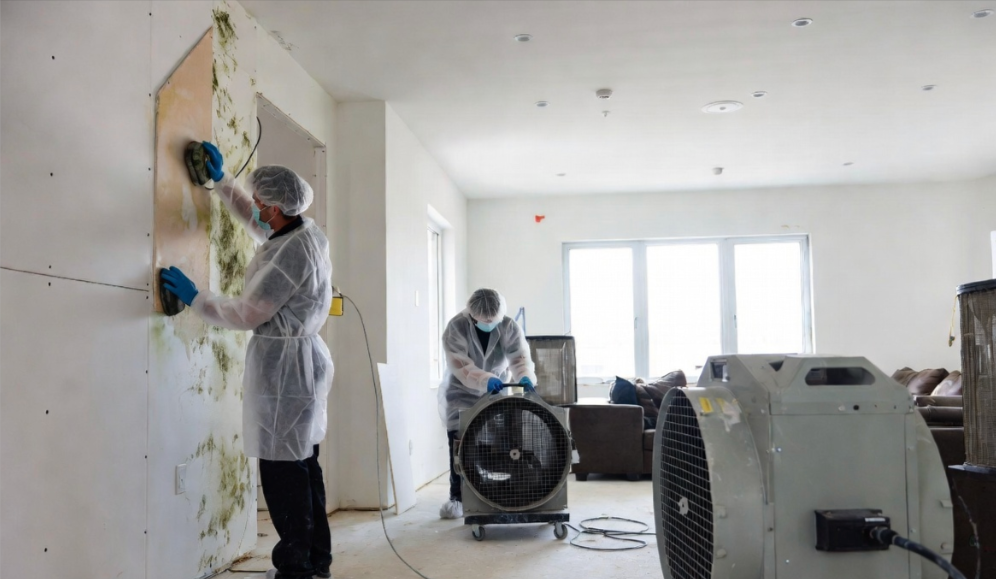
Once the excess water is removed, the drying process begins. We use high-powered fans, dehumidifiers, and other drying equipment to eliminate moisture from the air and surfaces in your home. This helps prevent mold growth and ensures a thorough drying of all affected areas.
4. Monitoring and Assessment
Throughout the drying process, our team monitors the moisture levels in your home to ensure that it is returning to a safe and dry condition. We conduct regular assessments to track progress and make any necessary adjustments to the drying plan.
5. Restoration and Repairs
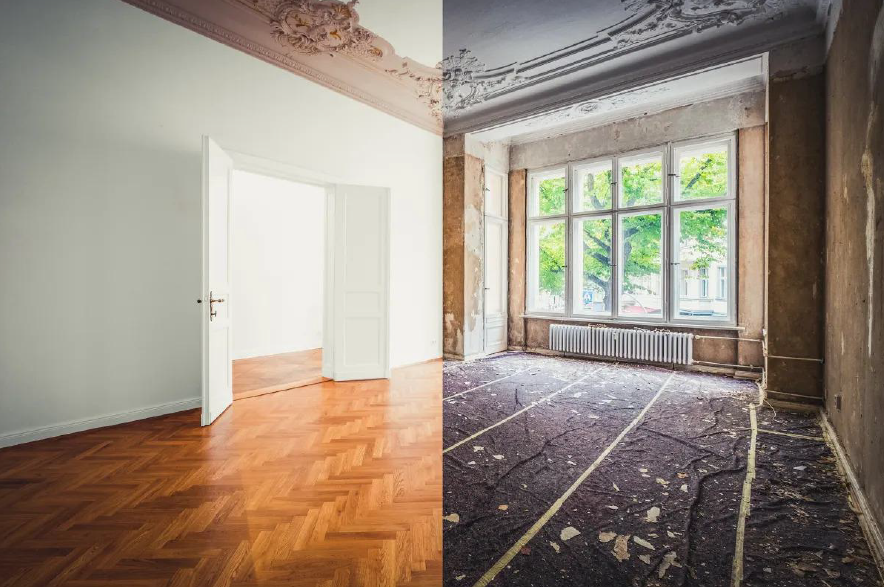
Once your home is fully dry, we can begin the restoration process. This may involve repairing damaged walls, floors, or ceilings, as well as addressing any other issues caused by the water damage.
Understanding the science behind drying out your home after water damage is essential for a successful restoration process. By acting quickly, using the right techniques and equipment, and working with experienced professionals like Utah Flood Guys, you can minimize the damage caused by water intrusion and restore your home to its former glory.
If you’re dealing with water damage in your home, don’t hesitate to contact Utah Flood Guys for prompt and reliable water damage restoration services. Our team is here to help you through every step of the process and ensure that your home is back to normal in no time. Remember, when it comes to water damage, time is of the essence – so don’t delay in getting the help you need!
You might also like
Utah Flood Guys Blog