Spring Cleaning for Health: Removing Mold from Basements and Crawlspaces
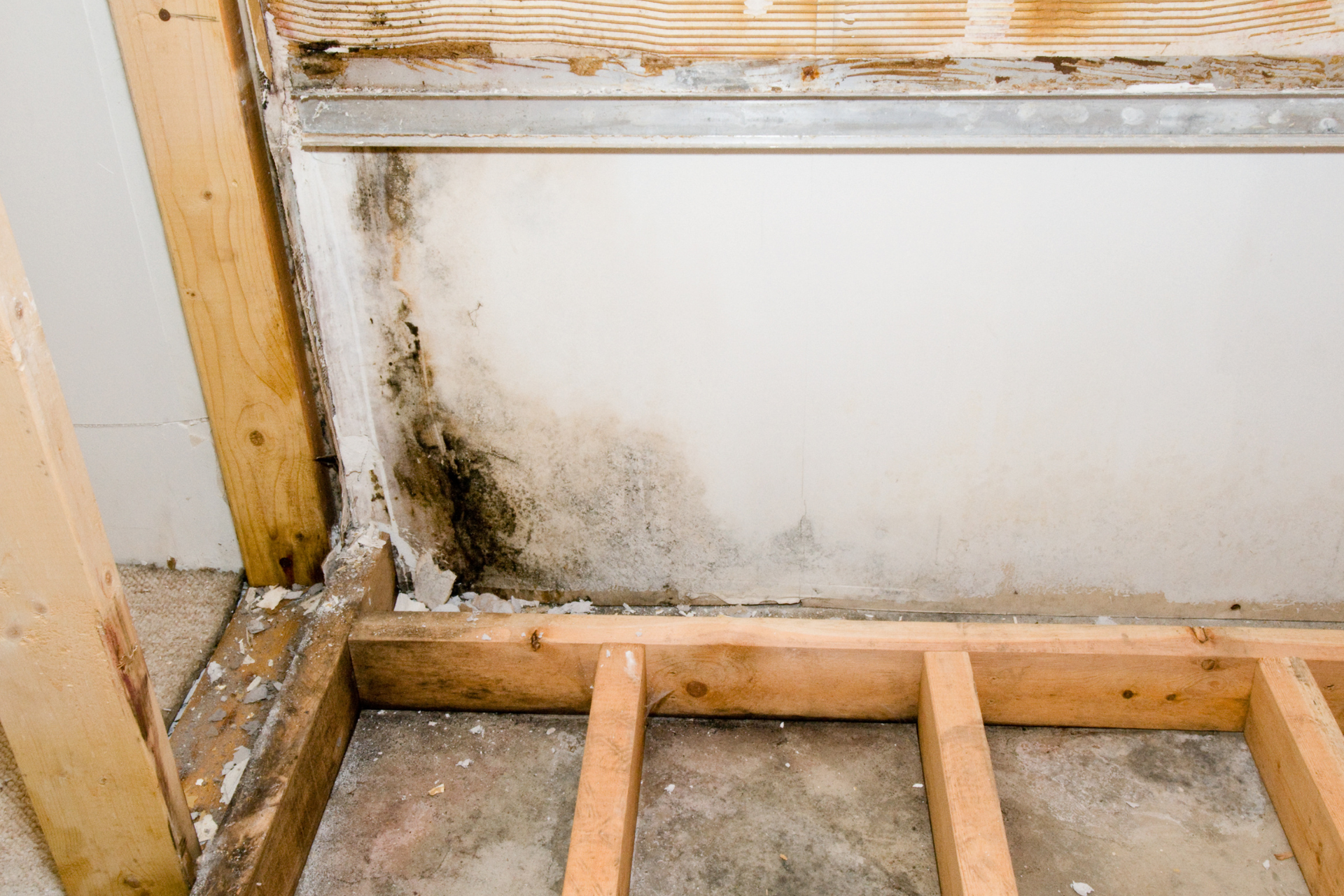
As the flowers bloom and the sun shines brighter, it's time for some spring cleaning to revitalize your home and ensure a healthy living environment. One crucial aspect of spring cleaning that often gets overlooked is removing mold from basements and crawlspaces. Mold can pose serious health risks and compromise the structural integrity of your property. At Utah Flood Guys, we understand the importance of proper mold removal to keep your home safe and healthy. Let's dive into why spring is the perfect time to tackle mold issues and some tips on how to effectively remove mold from basements and crawlspaces.
Why Spring Cleaning Matters
During the winter months, basements and crawlspaces tend to accumulate moisture due to reduced ventilation and higher humidity levels. This creates the perfect breeding ground for mold to grow and thrive. Spring cleaning is essential to address any mold growth that may have occurred during the winter and prevent further spreading of spores as temperatures rise.
Mold exposure can lead to a variety of health issues, including respiratory problems, allergies, and skin irritation. Children, the elderly, and individuals with pre-existing health conditions are especially vulnerable to the harmful effects of mold. By taking proactive measures to remove mold from your basements and crawlspaces, you can create a healthier living environment for you and your family.
Tips for Effective Mold Removal
1. Identify the Source
Before starting the cleanup process, identify the source of moisture that is promoting mold growth. Common sources include leaking pipes, poor ventilation, or water intrusion from outside. Addressing the root cause of moisture is essential to prevent mold from returning.
2. Wear Protective Gear
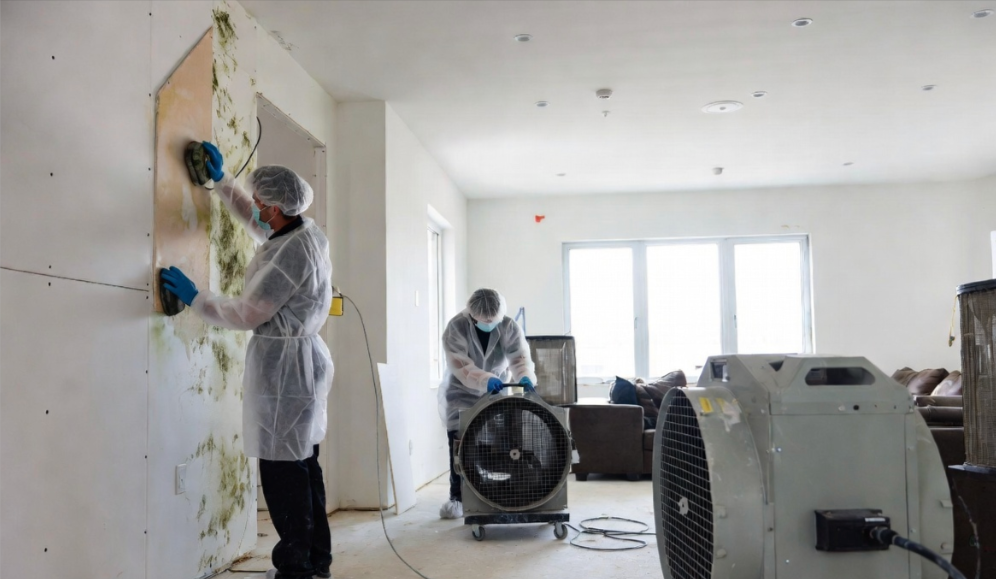
When dealing with mold, it's crucial to protect yourself by wearing gloves, goggles, and a mask to avoid inhaling mold spores. Proper ventilation is also important to minimize exposure to airborne mold particles.
3. Remove Affected Items
Items that have been contaminated by mold, such as cardboard boxes, fabrics, or porous materials, should be removed and properly disposed of. Mold can easily spread from these items to other areas of your home if not handled correctly.
4. Clean and Disinfect
Use a mixture of water and detergent to scrub surfaces affected by mold. For stubborn mold growth, a solution of vinegar or hydrogen peroxide can be effective in killing mold spores. After cleaning, disinfect the area with a commercial mold removal product to prevent regrowth.
5. Dry Thoroughly
After cleaning, ensure that the area is thoroughly dried to prevent mold from coming back. Use dehumidifiers or fans to improve ventilation and reduce humidity levels in basements and crawlspaces.
Why Choose Utah Flood Guys
At Utah Flood Guys, we specialize in mold removal services to help homeowners restore their properties to a safe and healthy condition. Our team of experts is trained to identify the underlying causes of mold growth and provide effective solutions to remove mold from basements and crawlspaces. With our state-of-the-art equipment and years of experience in the restoration industry, we are committed to delivering exceptional results and exceeding our customers' expectations.
Don't let mold compromise your health and well-being. This spring, take the necessary steps to remove mold from your basements and crawlspaces with the help of Utah Flood Guys. Contact us today to schedule a consultation and learn more about our comprehensive mold removal services. Let's work together to create a clean and mold-free environment for you and your loved ones.
You might also like
Utah Flood Guys Blog