Smoke Damage Cleanup: Essential Steps for Utah Residents
Smoke Damage Cleanup: Essential Steps for Utah Residents
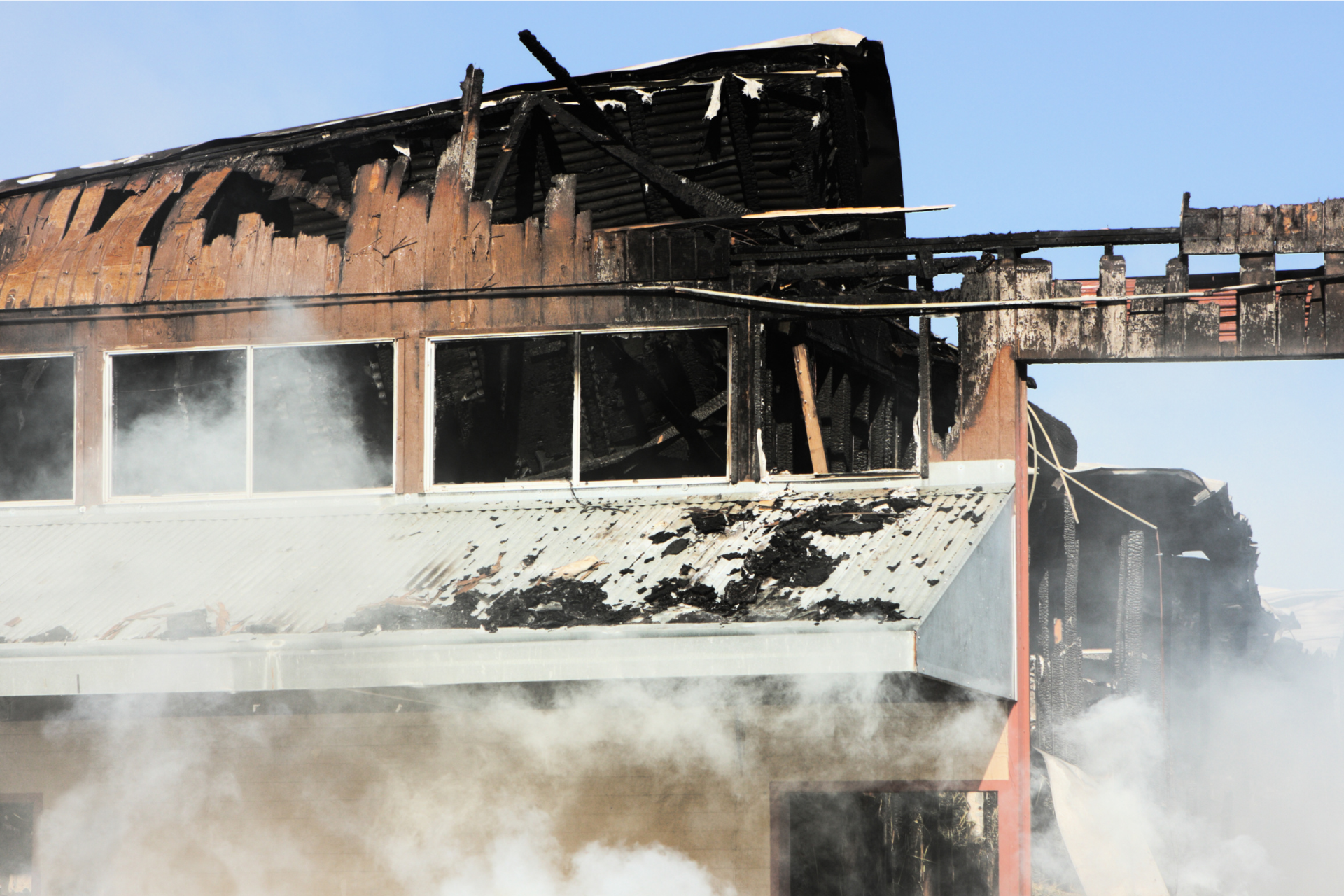
Dealing with the aftermath of a fire can be a devastating experience for any homeowner or business owner. The flames may have been extinguished, but the smoke damage can linger long after the fire is out. Smoke can permeate every nook and cranny of your property, leaving behind a pungent odor and unsightly residue that can be difficult to remove. If you're a Utah resident who has recently experienced a fire, it's important to take immediate action to clean up the smoke damage and restore your property to its pre-fire condition.
At Utah Flood Guys, we understand the challenges that come with smoke damage cleanup. As a leading restoration company in Utah, we have helped countless homeowners and business owners recover from the aftermath of fires. In this blog post, we'll outline the essential steps that Utah residents should take to effectively clean up smoke damage and get their property back to normal.
1. Safety First
Before you begin the cleanup process, it's crucial to ensure that the property is safe to enter. Make sure that the structural integrity of the building has not been compromised by the fire, and be aware of any potential hazards such as exposed wires or toxic fumes. If in doubt, contact a professional restoration company like Utah Flood Guys to assess the situation and provide guidance on the next steps.
2. Ventilation
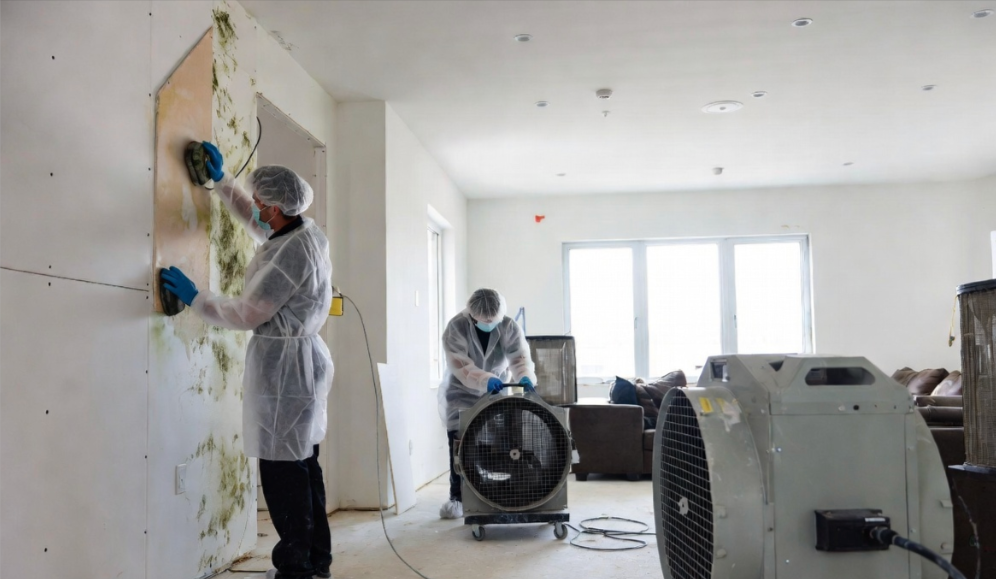
Proper ventilation is key to removing smoke odor from your property. Open all windows and doors to allow fresh air to circulate throughout the space. Use fans to help increase air flow and speed up the drying process. If the weather permits, consider setting up box fans in windows to draw out the smoky air.
3. Remove Debris
Start the cleanup process by removing any debris left behind by the fire. This includes charred materials, ashes, and other remnants of the blaze. Be sure to wear protective gear such as gloves and a mask to prevent exposure to harmful substances. Dispose of the debris in accordance with local regulations.
4. Clean Surfaces
Smoke residue can cling to walls, ceilings, and other surfaces in your property. To effectively clean these areas, mix a solution of warm water and mild detergent and use a sponge or cloth to gently scrub the surfaces. Avoid using harsh chemicals or abrasive cleaners, as these can further damage the affected areas. For stubborn stains, consider hiring a professional restoration company like Utah Flood Guys to handle the cleanup.
5. Address Odors
Smoke odor can be persistent and difficult to eliminate. To combat lingering smells, try using odor-neutralizing sprays or deodorizers designed specifically for smoke damage cleanup. You can also place bowls of white vinegar or baking soda in various rooms to help absorb odors. If the smell persists, consider contacting a professional restoration company to perform ozone treatment, which effectively removes smoke odor from the air.
6. Check HVAC Systems
Smoke particles can infiltrate your HVAC system, spreading the odor throughout your property. Inspect your HVAC filters and ducts for signs of smoke damage and replace or clean them as needed. Consider hiring a professional to thoroughly clean and sanitize your HVAC system to ensure that it is free of smoke residue.
7. Seek Professional Help
Cleaning up smoke damage can be a challenging and time-consuming process. If you're overwhelmed by the task or unsure of where to start, don't hesitate to contact a professional restoration company like Utah Flood Guys for assistance. Our team of experts has the knowledge, experience, and equipment needed to effectively clean up smoke damage and restore your property to its pre-fire condition.
In conclusion, smoke damage cleanup is a crucial step in the aftermath of a fire. By following these essential steps and seeking professional help when needed, Utah residents can effectively clean up smoke damage and get their property back to normal. Remember, Utah Flood Guys is here to help you every step of the way. Stay safe and take action to restore your property after a fire.
You might also like
Utah Flood Guys Blog