Seasonal Maintenance Tips to Prevent Mold Growth in Your Home
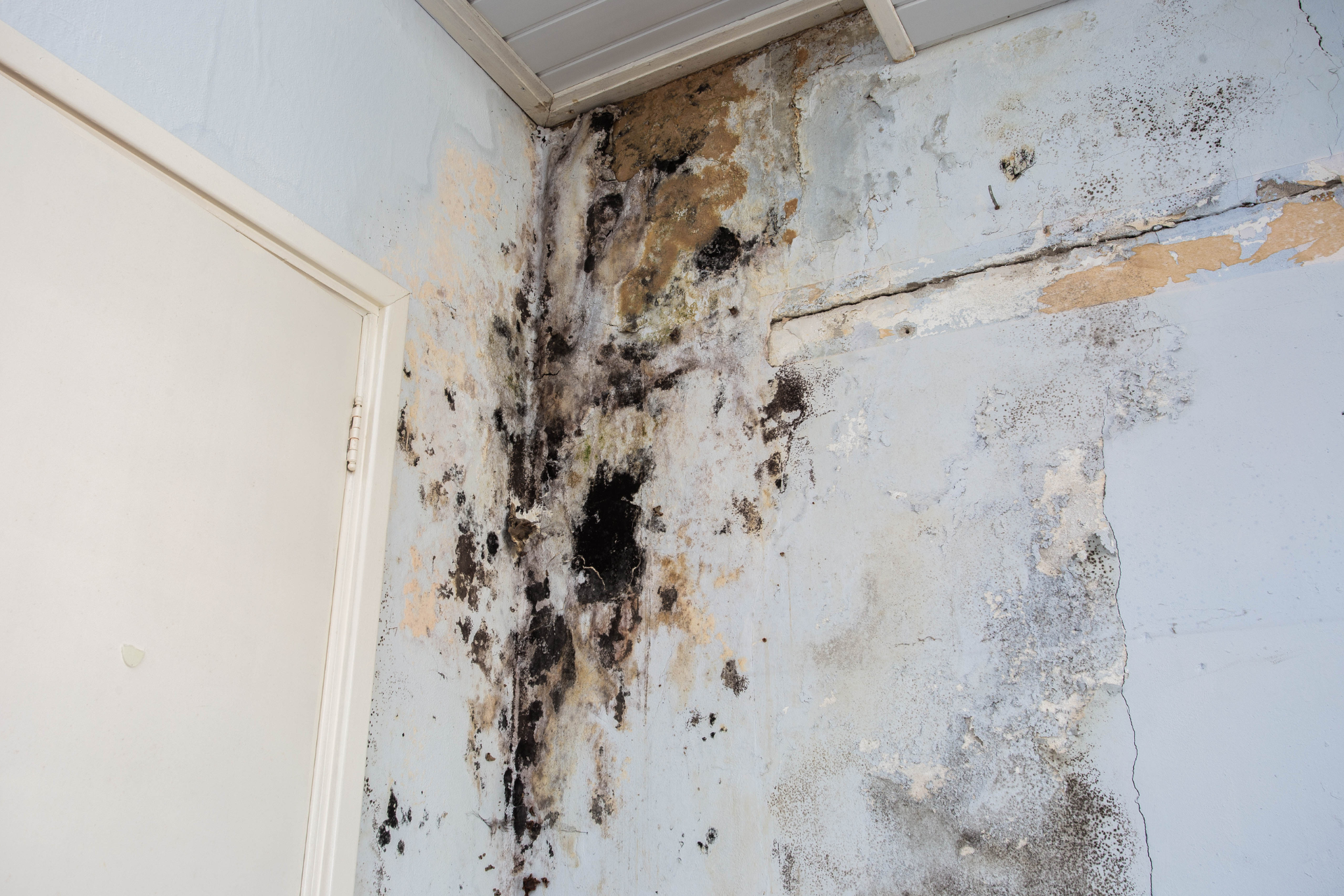
As the seasons change and the weather shifts, it’s important to stay proactive in protecting your home from potential disasters like mold growth. Mold can wreak havoc on your health and property, making prevention key to maintaining a safe and comfortable living environment. To help you safeguard your home, here are some seasonal maintenance tips to prevent mold growth, brought to you by Utah Flood Guys, your go-to restoration experts in Utah.
**Spring Cleaning**
With the arrival of spring, it’s time to tackle those areas of your home that may have been neglected during the colder months. Start by decluttering and deep cleaning your living spaces. Dust and vacuum regularly to eliminate any potential mold spores that may have settled in your carpets, upholstery, and curtains. Don’t forget to clean and inspect your heating, ventilation, and air conditioning (HVAC) system to ensure proper airflow and reduce moisture buildup.
**Inspect and Clean Gutters**
As spring showers bring blooming flowers, it’s essential to check your gutters for debris and blockages. Clogged gutters can lead to water overflow, causing moisture to seep into your home’s foundation and walls. Ensure gutters are clear and properly directed away from your home to prevent water damage and mold growth.
**Check for Leaks**
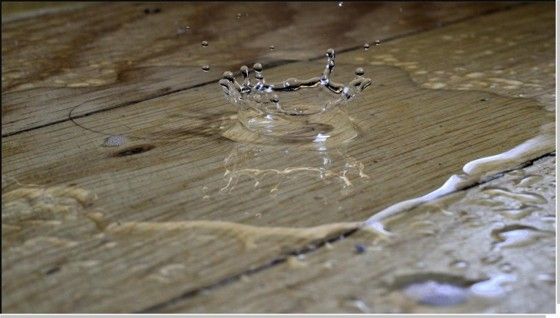
Water leaks, no matter how small, can quickly escalate into a mold problem if left unchecked. Inspect your plumbing fixtures, appliances, and roof for any signs of leaks or moisture buildup. Addressing leaks promptly can help prevent water damage and avoid the onset of mold growth.
**Maintain Proper Ventilation**
Proper ventilation is crucial in preventing excess moisture from accumulating in your home. During showers or cooking, use exhaust fans to remove humidity and prevent moisture from lingering in the air. Make sure your home has adequate ventilation in high-humidity areas such as bathrooms, kitchens, and attics to reduce the risk of mold growth.
**Monitor Indoor Humidity Levels**
High humidity levels provide the ideal breeding ground for mold. Invest in a hygrometer to monitor the humidity levels in your home. The Environmental Protection Agency (EPA) recommends keeping indoor humidity levels between 30-60% to deter mold growth. Use dehumidifiers if necessary to maintain optimal humidity levels and prevent mold from flourishing.
**Seal and Insulate**
Proper insulation and sealing can help prevent moisture intrusion and reduce the likelihood of mold growth. Inspect your windows, doors, and walls for any gaps or cracks that may allow water to permeate your home. Seal any openings and consider adding insulation to areas prone to condensation, such as attics and crawl spaces.
**Professional Inspection and Maintenance**
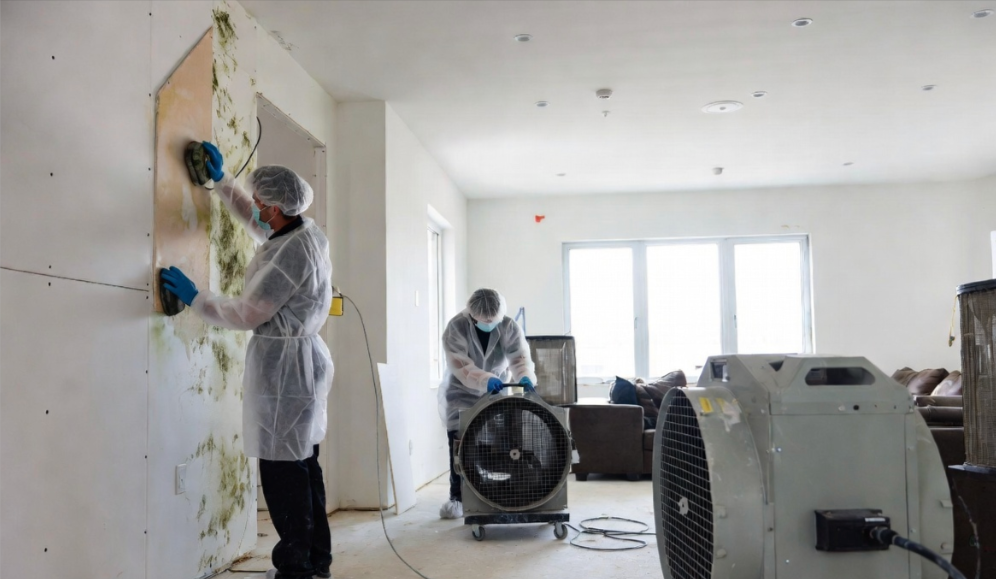
Regular maintenance and inspections by experienced professionals can help identify potential issues before they escalate into a mold problem. Utah Flood Guys offer comprehensive services for residential and commercial water damage, mold removal, and fire damage restoration. Our team of experts can assess your property, identify mold growth, and provide efficient solutions to protect your home and belongings.
By following these seasonal maintenance tips and staying proactive in preventing mold growth, you can safeguard your home and loved ones from the harmful effects of mold. Remember, early detection and action are key to minimizing the impact of mold damage. Trust Utah Flood Guys to provide reliable restoration services and peace of mind for all your disaster cleanup needs.
Stay ahead of mold growth and keep your home safe and mold-free with these simple yet effective maintenance tips. A little effort now can save you from costly repairs and health hazards in the future. Be proactive, be prepared, and let Utah Flood Guys be your trusted partner in disaster cleanup and restoration.
You might also like
Utah Flood Guys Blog