Restoration and Reconstruction: The Difference Explained
When disaster strikes—be it a flood, fire, or mold infestation—understanding the differences between restoration and reconstruction can be pivotal in recovering from the damage. At Utah Flood Guys, we’re here to help you navigate these waters (pun intended) and ensure your property is back to its former glory.
What is Restoration?
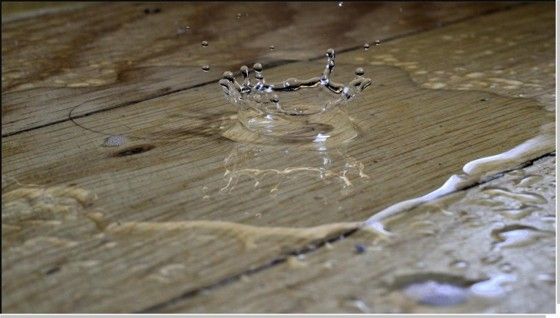
Restoration refers to the process of returning a property to its original condition after damage has occurred. This typically involves cleaning, repairing, and mitigating further issues that may arise after an incident. When water damage occurs from a flood or a pipe bursting, for instance, restoration services focus on removing standing water, drying out affected areas, and preventing mold growth.
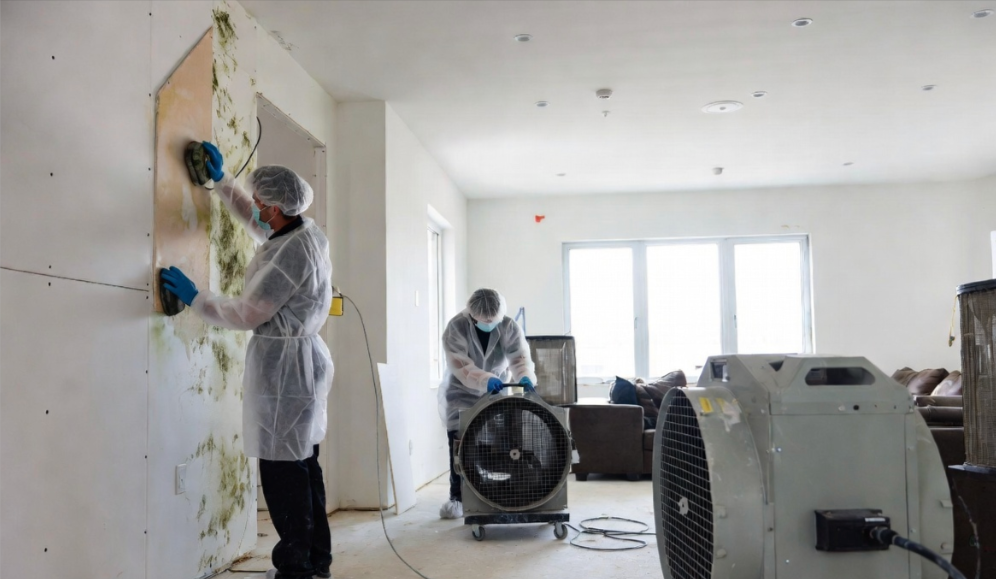
During the restoration process, our dedicated team at Utah Flood Guys conducts a thorough assessment of the damage. We utilize advanced equipment, like moisture detectors and industrial-grade dehumidifiers, to effectively tackle any lingering moisture. The key here is to restore your home or business as efficiently and effectively as possible, keeping in mind the urgency of the situation.
Restoration also encompasses cleaning and sanitizing affected surfaces. Our goal is not just to tackle visible damage but to ensure that the air quality in your space remains safe and healthy. Whether it's removing soot from a fire, cleaning up flood debris, or eradicating mold, restoration is all about bringing your property back to its pre-disaster state.
What is Reconstruction?
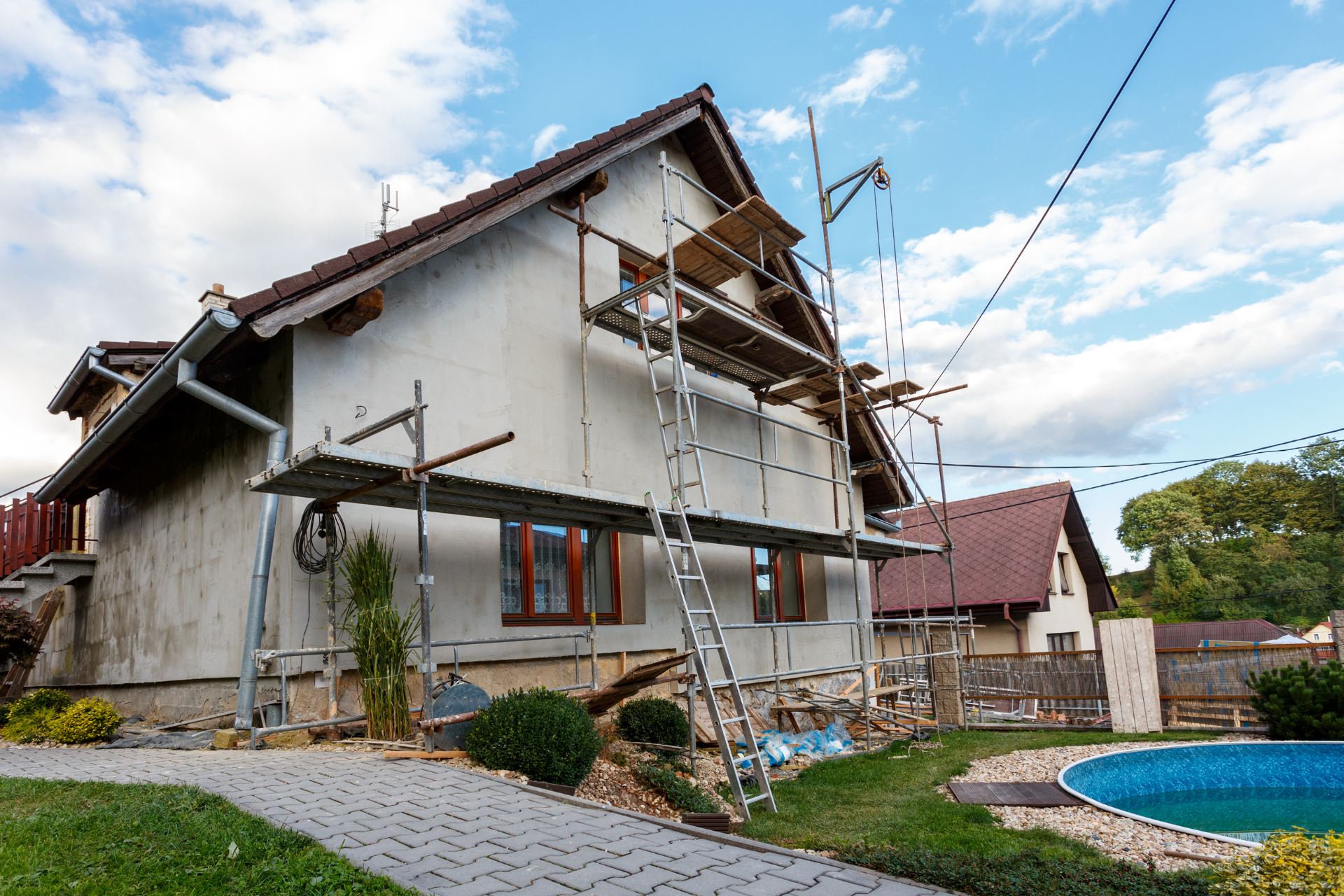
While restoration deals with repairing and cleaning damaged areas, reconstruction takes it a step further. Simply put, reconstruction involves rebuilding aspects of a property that have been severely damaged or destroyed and cannot be salvaged. This might include completely replacing walls, flooring, or structural components after a disaster like a major flood or fire.
Reconstruction is a more extensive process and often requires permits and inspections to ensure that the property adheres to local building codes and safety regulations. At Utah Flood Guys, we work closely with you during this phase to ensure that your vision aligns with what needs to be done to make your property safe and sound once again.
Why Understanding the Difference Matters
Having clarity on the distinction between restoration and reconstruction is important for several reasons. It helps homeowners and property managers understand what types of services they may need and enables them to communicate more effectively with restoration professionals.
For instance, if you’re facing water damage, you might first require restoration services to address the immediate threats, followed by reconstruction if structural changes are needed. By knowing what to expect, you can be better prepared for the recovery process—and that’s where Utah Flood Guys shines.
In conclusion, whether you find yourself dealing with water damage, mold, or fire, knowing the difference between restoration and reconstruction can save you time and stress. At Utah Flood Guys, we’re committed to guiding you through every step, ensuring your home or business can face the future with confidence. If you ever find yourself needing assistance, don’t hesitate to reach out. Together, we can make your property whole again.
You might also like
Utah Flood Guys Blog