
Kitchen Fires: Prevention and Restoration Tips
Cooking is an essential part of our daily lives, and while it can be incredibly enjoyable, it does come with its risks. One of the most dangerous risks? Kitchen fires. According to the National Fire Protection Association (NFPA), cooking equipment is the leading cause of home fires and fire injuries. At Utah Flood Guys, we believe that prevention is key, but it’s also vital to be prepared if a fire does occur. Here’s how to keep your kitchen safe and what to consider if a fire breaks out.
Prevention Tips
1. Stay in the Kitchen
The number one rule when cooking is to never leave your stove unattended. If you must step away, even for a minute, consider turning off the heat. It only takes a moment for a fire to ignite.
2. Keep Flammable Items Away
Keep items like dish towels, oven mitts, and other flammable materials away from the stove and oven. It’s easy for these items to accidentally catch fire, especially during those rushed cooking moments.
3. Use Caution with Oil
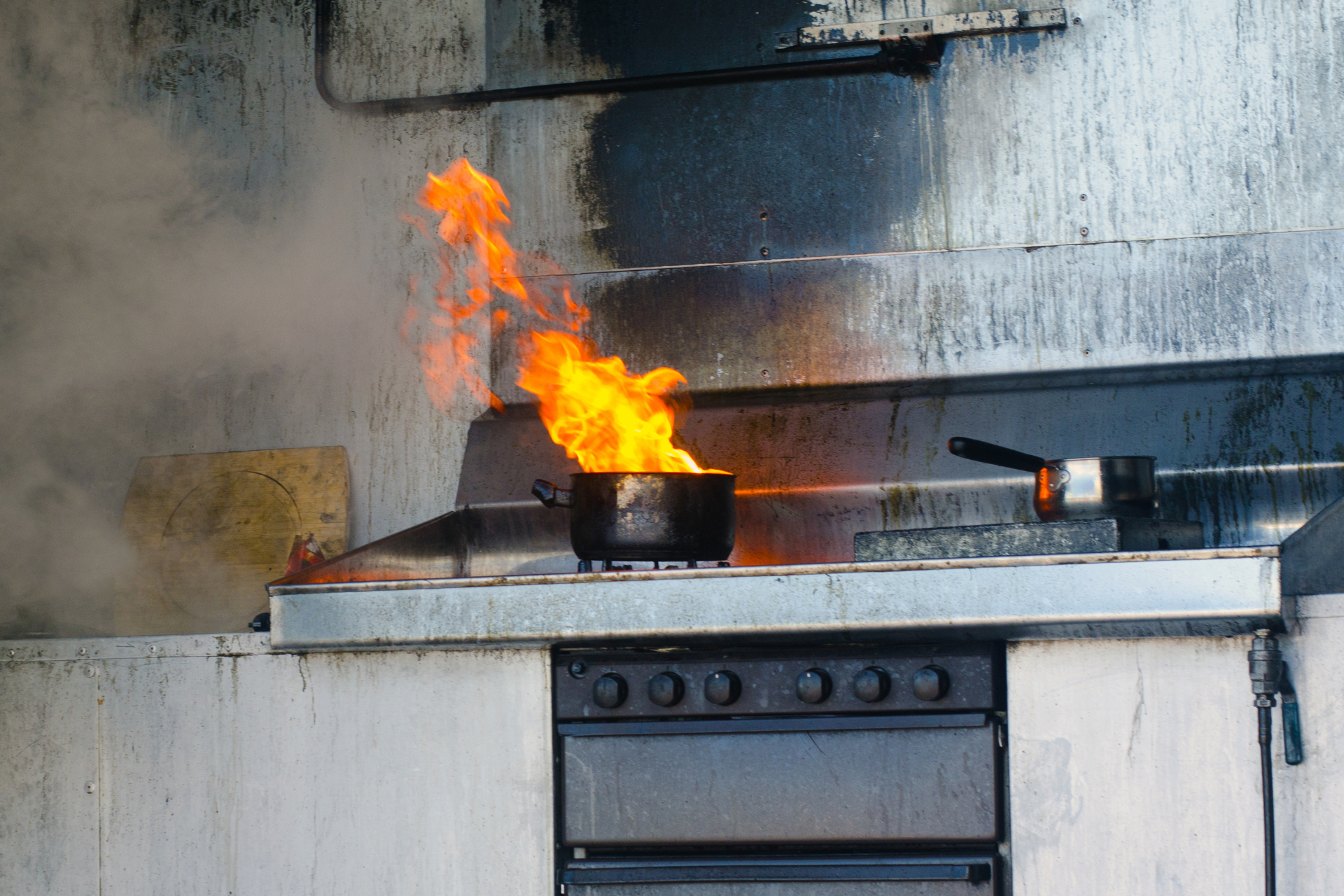
When frying foods, be extra vigilant. Hot oil can ignite quickly. Always keep a lid nearby in case the oil catches fire—placing a lid on the pan can smother the flames.
4. Regular Maintenance
Make sure your kitchen appliances are in good working order. Worn-out cords, broken appliances, or malfunctioning smoke detectors can all increase fire risk.
5. Educate Your Family
Make sure everyone in your household knows basic kitchen safety tips. Teach them how to properly use kitchen appliances and what to do in case of a fire.
What to Do If a Fire Occurs
If you find yourself in the unfortunate situation of a kitchen fire, quick actions can save lives and property.
1. Stay Calm and Assess
If a fire starts, try to stay calm. If it is small, you might be able to put it out with a pot lid or a fire extinguisher. Always keep a fire extinguisher in your kitchen—make sure it's easily accessible and you know how to use it.
2. Evacuate and Call for Help
If the fire is uncontrollable, evacuate everyone from the home immediately. Close the doors behind you to help contain the fire, and then call 911. Never try to fight a large fire; your safety is the most important thing.
3. Don’t Use Water
Never use water to extinguish a grease fire. Pouring water on burning oil can cause the flames to spread dramatically.
Restoration Tips
Once the fire and smoke have been dealt with, it’s crucial to get your kitchen back in shape for safety and health. That’s where Utah Flood Guys comes in.
1. Assessment
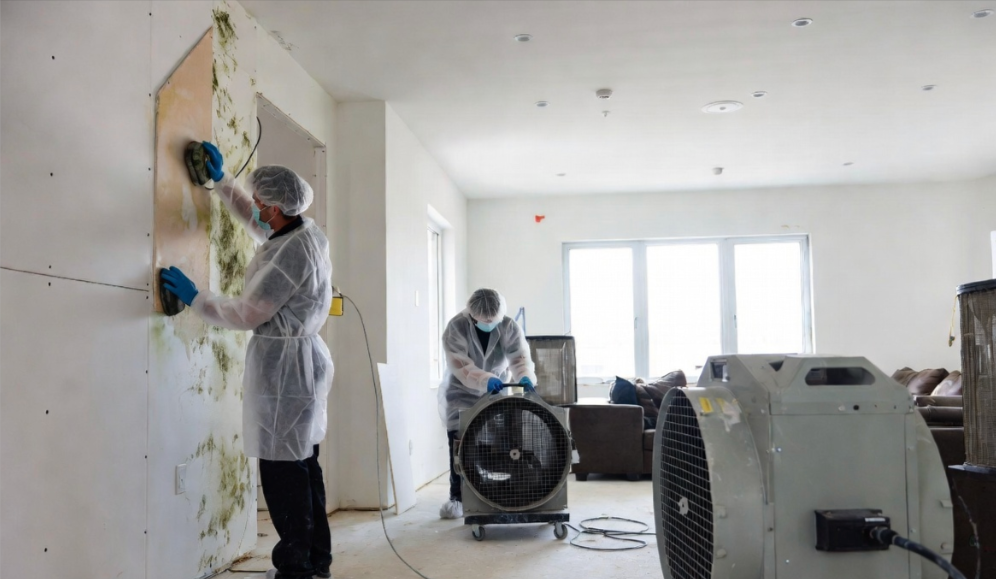
We’ll assess the damage and determine the best restoration method. We'll look for not just visible damage but also hidden smoke or water damage, which can lead to mold growth.
2. Cleaning and Removal
Smoke and soot can be ingrained in surfaces. Our team specializes in deep cleaning to ensure all residues are removed, preventing further damage and odors.
3. Rebuilding and Restoring
If there are structural damages, we can assist with rebuilding and restoring your kitchen to its pre-fire condition—ensuring it’s safe and ready for your next culinary adventure.
Fire can be devastating, but with the right precautions and a solid plan, you can minimize risks and be prepared. If a fire does occur, Utah Flood Guys is here to help you restore your space and peace of mind. Stay safe, and happy cooking!
You might also like
Utah Flood Guys Blog