Is That Mold in Your Bathroom? A Guide to Identifying and Removing Mold Growth
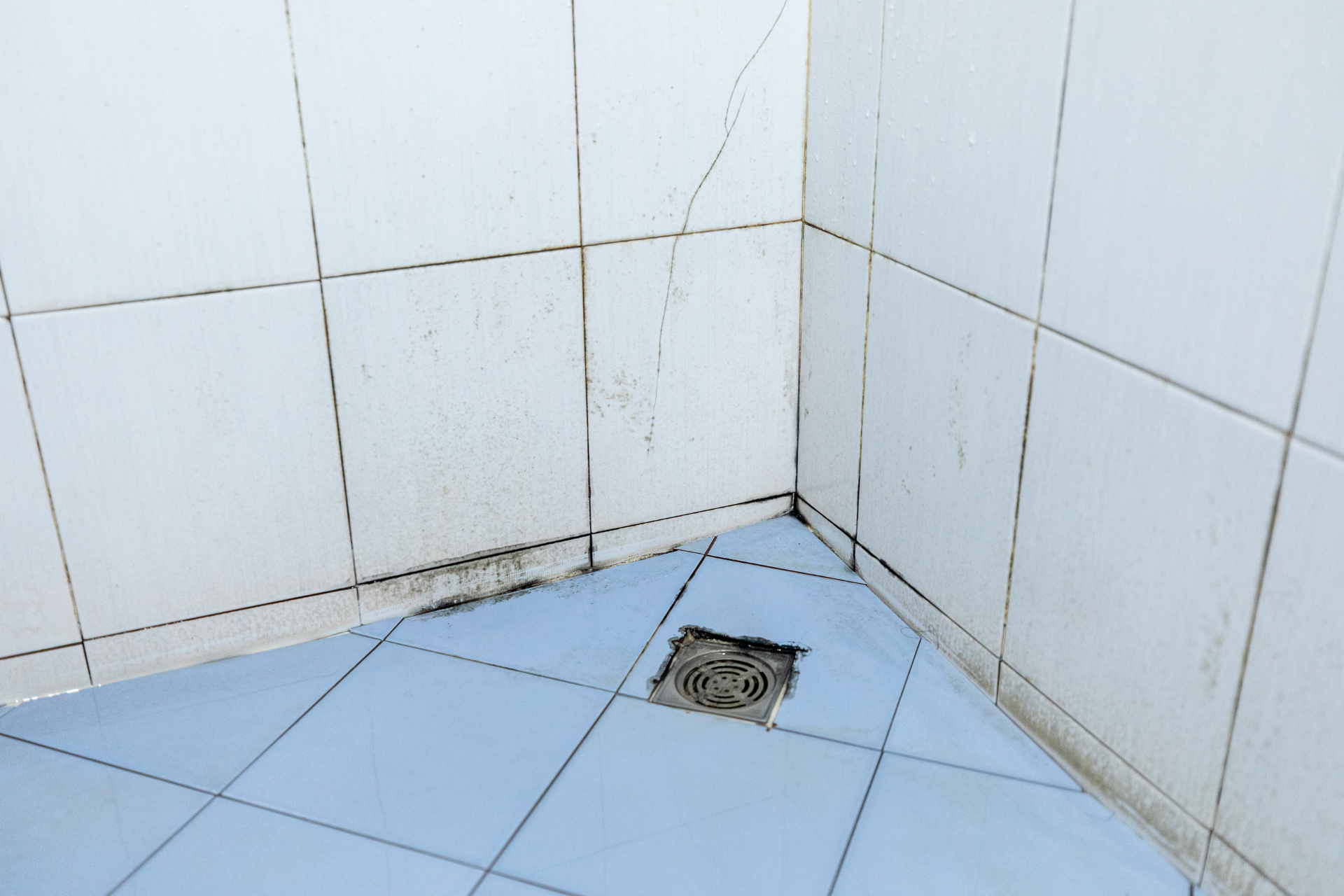
Finding mold in your bathroom can be alarming. Not only is it unsightly, but it can also pose health risks if left untreated. As a leading restoration company in Utah, Utah Flood Guys is here to guide you through the process of identifying and removing mold growth in your home. In this blog post, we will discuss the common signs of mold, the dangers it presents, and steps you can take to effectively eliminate it from your bathroom.
Signs of Mold Growth
Mold thrives in damp and humid environments, making bathrooms a perfect breeding ground. Some common signs of mold growth include:
1. Discoloration
Mold can appear as black, green, or brown spots on walls, ceilings, or grout.
2. Musty Odor:
A strong, musty smell can indicate the presence of mold behind walls or beneath flooring.
3. Allergy Symptoms
If you experience allergy-like symptoms such as sneezing, coughing, or itchy eyes when in your bathroom, mold could be the culprit.
4. Water Damage
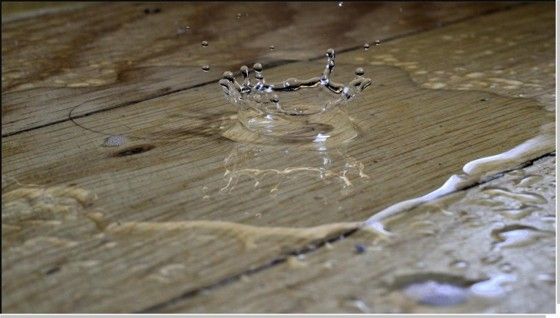
Any past water leaks or seepage issues can lead to mold growth if not properly addressed.
The Dangers of Mold
Mold is not just a cosmetic issue; it can have serious implications for your health and the structural integrity of your home. Exposure to mold can trigger respiratory issues, allergies, and even more severe health conditions in some individuals. Additionally, mold can weaken and damage building materials over time, leading to costly repairs in the future.
Removing Mold Growth
If you suspect mold in your bathroom, it is crucial to take action promptly to prevent further spread and potential health hazards. Here are some steps to effectively remove mold from your bathroom:
1. Ventilate the Area
Proper ventilation is key to reducing moisture levels in your bathroom and inhibiting mold growth. Use exhaust fans or open windows during and after showers to promote air circulation.
2. Clean and Disinfect
For small areas of mold growth, you can mix a solution of water and detergent to scrub the affected surfaces. For larger infestations, consider using a commercial mold remover.
3. Remove and Replace Porous Materials
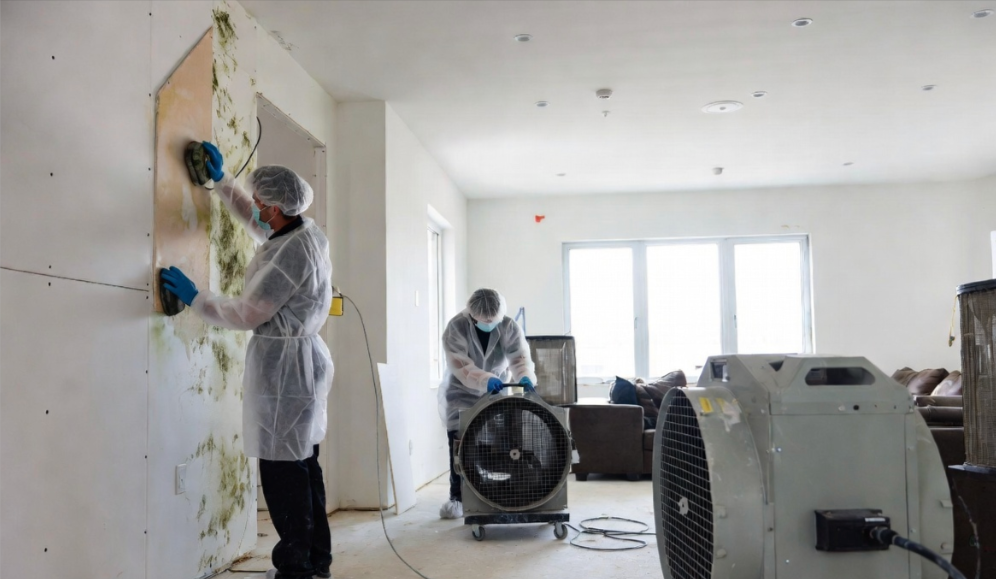
In severe cases, materials like drywall, insulation, or carpeting may need to be removed and replaced to fully eliminate the mold.
4. Seek Professional Help
If the mold growth is extensive or you are unsure of how to safely remove it, contact a professional restoration company like Utah Flood Guys for expert assistance.
Preventing Future Mold Growth
Once you have successfully removed the mold from your bathroom, it's important to take steps to prevent its recurrence. Here are some tips for mold prevention:
1. Fix Leaks Promptly
Address any water leaks or plumbing issues as soon as they arise to prevent moisture buildup.
2. Use Mold-Resistant Materials
Consider using mold-resistant paint, caulk, and grout in your bathroom to deter mold growth.
3. Regular Maintenance
Routinely clean and inspect your bathroom for signs of mold to catch any growth early on.
In conclusion, identifying and removing mold growth in your bathroom is essential for maintaining a safe and healthy environment in your home. By following the steps outlined in this guide, you can effectively tackle mold issues and prevent future problems. If you need professional assistance with mold removal or water damage restoration, Utah Flood Guys is here to help. Contact us today for expert services and peace of mind.
You might also like
Utah Flood Guys Blog