Is Black Mold Really More Dangerous? Separating Myth from Fact
When it comes to home repair and restoration, few phrases can invoke as much fear as “black mold.” It seems that stories about this notorious fungal intruder spread faster than the mold itself! At Utah Flood Guys, we understand the concern, especially when every little sniffle and cough raises alarms about potential mold exposure. But how much of the fear surrounding black mold is based on fact, and how much is just myth? Let’s dive into this murky topic and separate myth from reality.
What is Black Mold, Anyway?
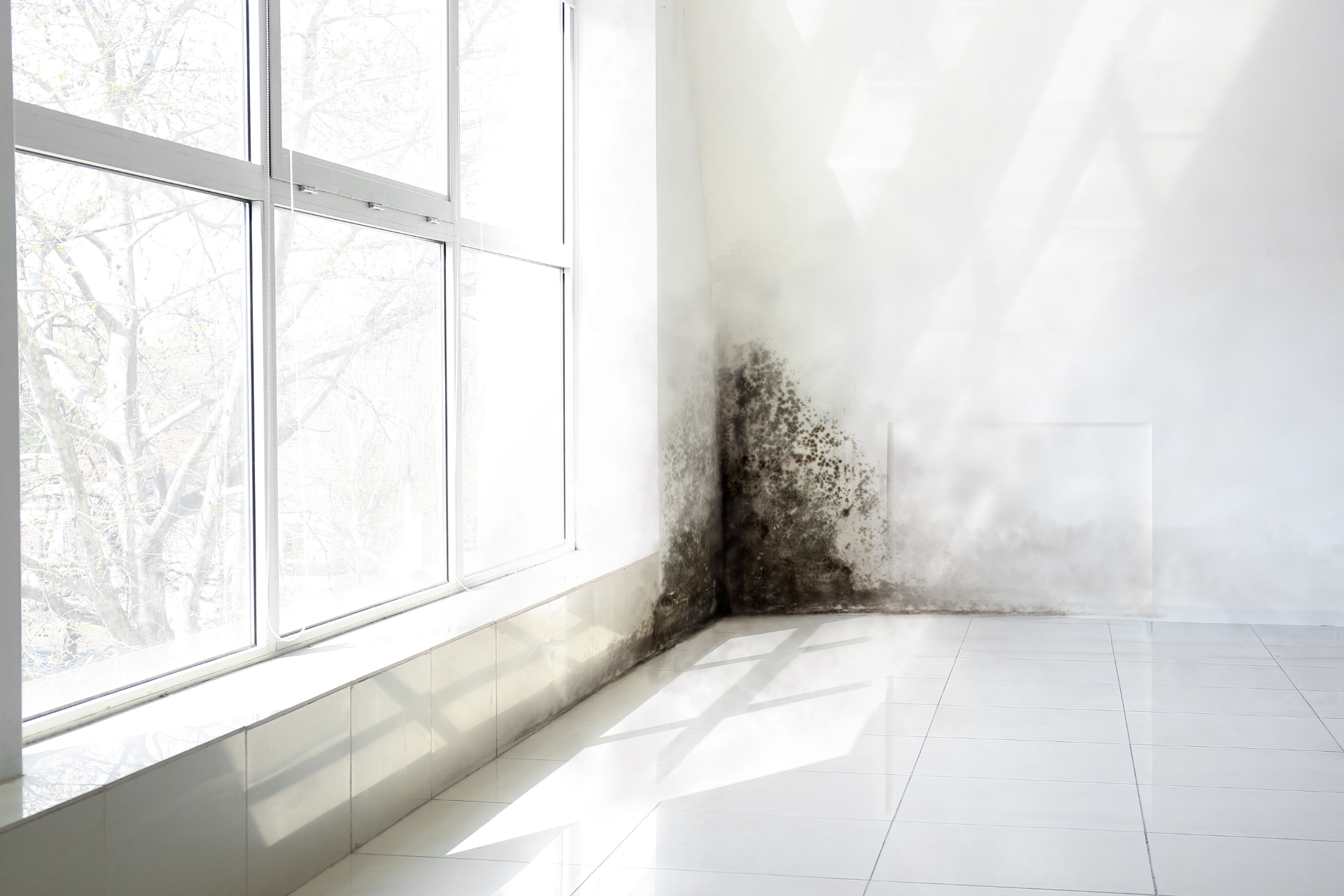
First off, it’s essential to know that black mold, or Stachybotrys chartarum, is just one of hundreds of mold species. It thrives in damp, humid environments and can be commonly found in water-damaged buildings. While its appearance can be unpleasant—often a dark greenish-black color—its presence alone does not automatically mean your home is unsafe.
Myth 1: Black Mold is Always the Most Dangerous Mold
One of the most persistent myths is that black mold is the deadliest mold. Truthfully, while black mold can produce mycotoxins that may be harmful, it’s not the only mold out there that can cause health issues. Other mold varieties can also be hazardous. The danger primarily depends on individual sensitivities and the amount of mold present. Everyone reacts differently: some might experience allergies, while others may have asthma or other respiratory problems aggravated by mold, regardless of the color.
Myth 2: You Can Always See Black Mold
Many people think that if you can't see black mold, it isn’t there. Unfortunately, this is not true. Mold often grows in hidden places, like behind walls or underneath floors. If you notice a musty smell but don’t see visible mold, it’s wise to investigate further, as hidden mold could still pose health risks.
Myth 3: Cleaning It Up is Easy
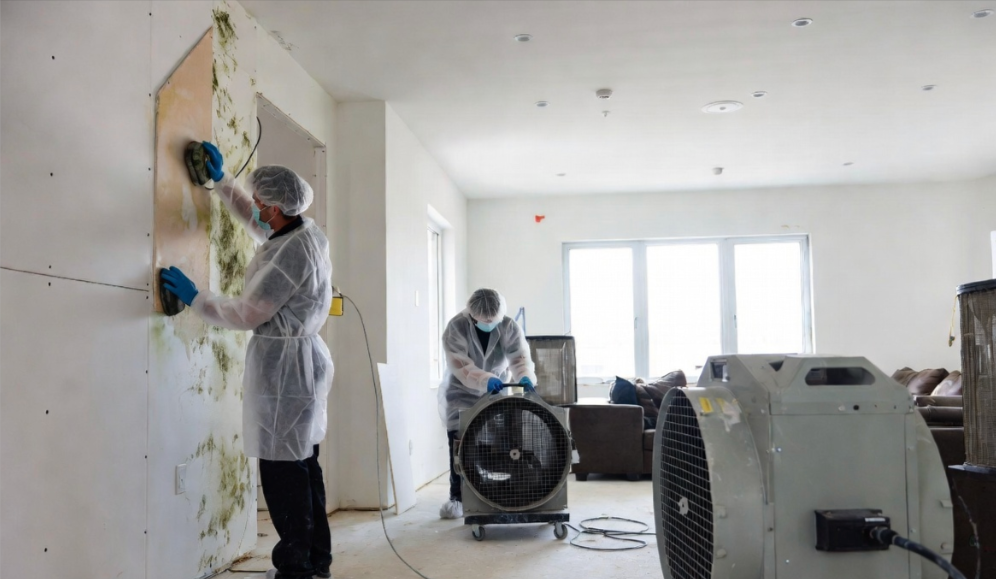
Another common misconception is that you can handle black mold cleanup by yourself. While small patches of mold may be manageable using household cleaners, extensive infestations require professional intervention. The last thing you want to do is disturb mold spores, as this can exacerbate the problem and spread contamination throughout your home. Utah Flood Guys specializes in safe and effective mold removal, ensuring that you can breathe easy without worrying about what lurks behind your walls.
Myth 4: Mold will Always Return After Removal
Many people worry that once mold appears, it’s doomed to return. However, this myth oversimplifies the process. Mold tends to grow where there is moisture, so if you identify the source of the moisture and fix leaks or humidity issues, you can significantly reduce the chances of mold returning. At Utah Flood Guys, we not only remediate mold problems but also implement preventative measures to keep your home safe.
Final Thoughts
Navigating the world of mold can indeed be confusing, especially with so much misinformation out there. Black mold might seem scary, but understanding the facts can empower you to handle any mold situation effectively. Whether you’re dealing with a small patch of mold or a more extensive problem, it’s always best to consult with professionals who can guide you through the process and ensure your home is clean and safe. If you suspect you have a mold issue or have experienced water damage, don’t hesitate to reach out to us at Utah Flood Guys. We're here to help you breathe easier!
You might also like
Utah Flood Guys Blog