How to Spot Hidden Water Leaks Before They Cause Major Damage
Welcome to the Utah Flood Guys blog, where we help you protect your home or business from water damage disasters. One of the most common culprits of property damage is hidden water leaks. These sneaky leaks can wreak havoc on your property without you even realizing it until it's too late. In this post, we'll share some tips to help you spot hidden water leaks before they cause major damage.
1. Keep an Eye on Your Water Bill
A sudden increase in your water bill could be a sign of a hidden water leak. If your water usage hasn't changed but you're paying more each month, there may be a leak somewhere in your plumbing system. Keep track of your water bills and investigate any unexplained spikes in usage to catch leaks early.
2. Check Your Water Meter
Your water meter can also help you detect hidden leaks. Turn off all water sources in your home and take note of the reading on the meter. Wait a few hours without using any water, then check the meter again. If the reading has changed, it's likely that you have a leak somewhere on your property.
3. Look for Water Stains or Mold
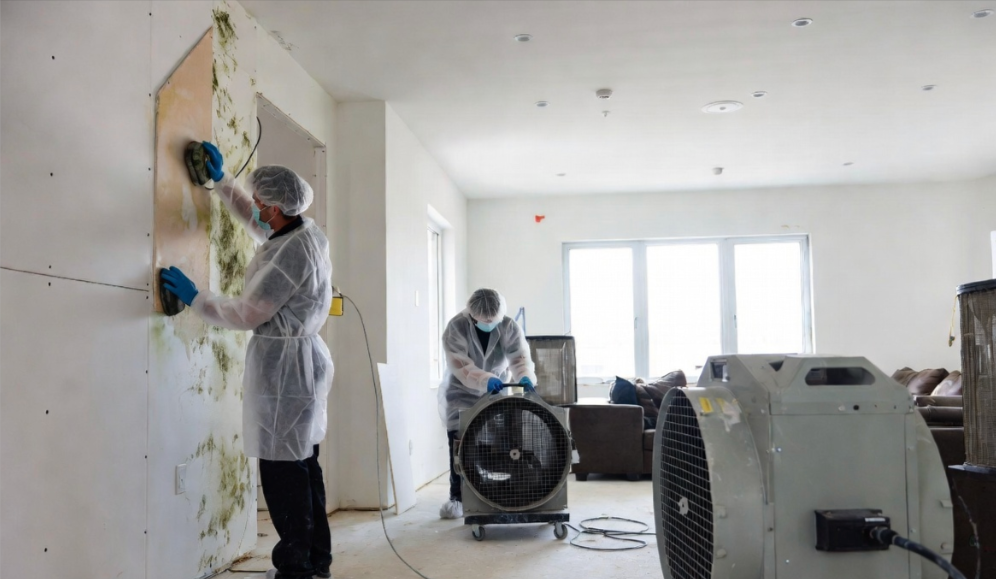
Water leaks often leave behind visible signs such as water stains or mold growth. Check for any discolored spots on walls, ceilings, or floors, as well as any musty odors that could indicate mold. Pay special attention to areas near plumbing fixtures or appliances that use water, as these are common locations for leaks to occur.
4. Listen for Dripping Sounds
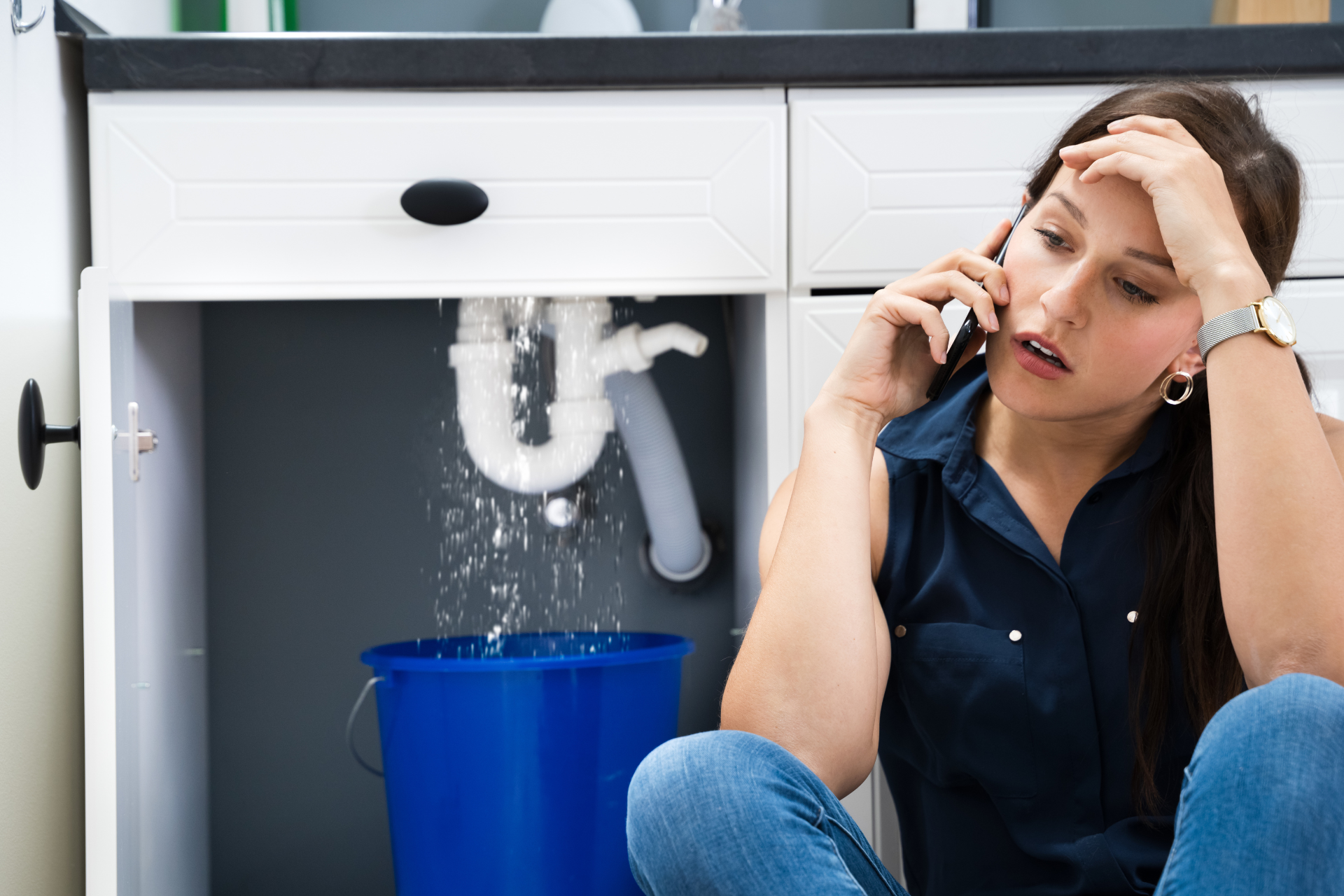
A quiet dripping sound may be a subtle clue that you have a hidden water leak. Take some time to listen for any unusual noises, especially in areas close to your plumbing fixtures. If you hear something out of the ordinary, investigate further to pinpoint the source of the leak.
5. Inspect Your Exterior
Don't forget to check the exterior of your property for signs of water leaks. Look for wet spots in your yard, unusually lush patches of grass, or water pooling around your foundation. These could all be indications of an underground pipe leak that needs immediate attention.
6. Test Your Toilet
Toilets are a common source of hidden water leaks. To test for a leak, add a few drops of food coloring to the tank and wait without flushing. If the coloring appears in the bowl after a few minutes, you have a leak that needs to be repaired.
7. Get Professional Help
If you suspect a hidden water leak but can't locate the source, don't hesitate to call in the experts. Utah Flood Guys are here to help with our professional leak detection services. Our experienced technicians can identify and repair even the trickiest of hidden leaks to prevent costly water damage to your property.
By staying proactive and vigilant in monitoring your property for hidden water leaks, you can prevent major damage and avoid the hassle of water damage restoration. Remember, early detection is key to minimizing the impact of leaks on your home or business.
If you suspect a hidden water leak or experience water damage of any kind, contact Utah Flood Guys for fast, reliable restoration services. We're here to help you protect your property and restore peace of mind. Stay tuned to our blog for more tips on disaster prevention and recovery.
You might also like
Utah Flood Guys Blog