How to Prevent Mold Growth in Your Utah Basement
Are you a homeowner in Utah battling mold growth in your basement? Don't worry, you're not alone. With Utah's unique climate and potential for moisture issues, many residents find themselves facing the challenge of mold in their homes. But fear not, there are effective ways to prevent mold growth and keep your basement clean and healthy. In this blog post, we'll share some practical tips and tricks to help you tackle this issue head-on.
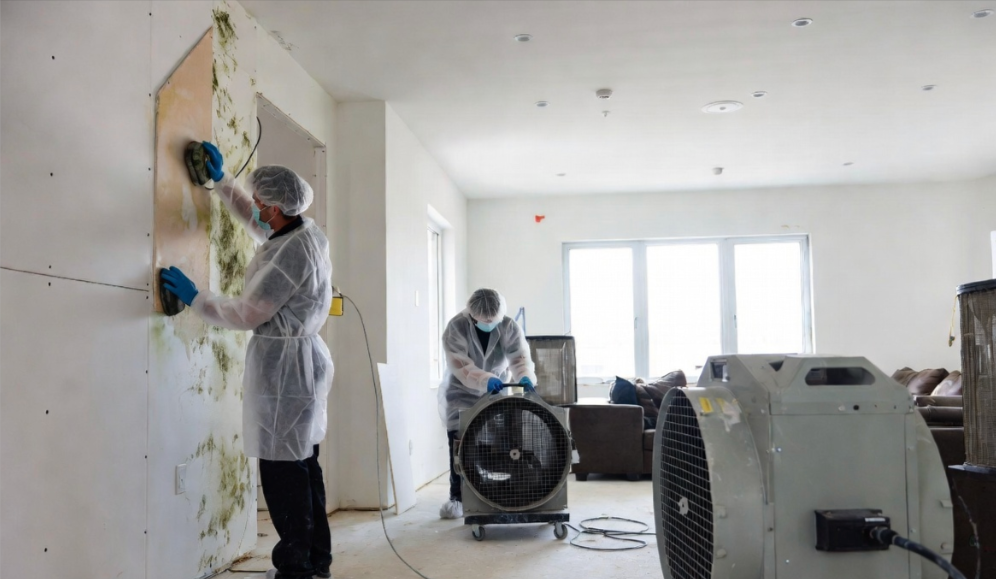
As the leading restoration company in Utah, Utah Flood Guys is experienced in handling all types of water damage and mold removal situations. We understand the importance of maintaining a safe and healthy environment in your home, especially in areas like the basement where moisture problems can arise. By following these preventative measures, you can safeguard your basement against mold growth and ensure the well-being of your family and property.
1. Address Water Intrusion Immediately
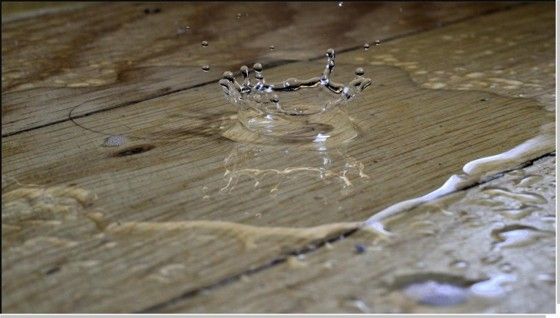
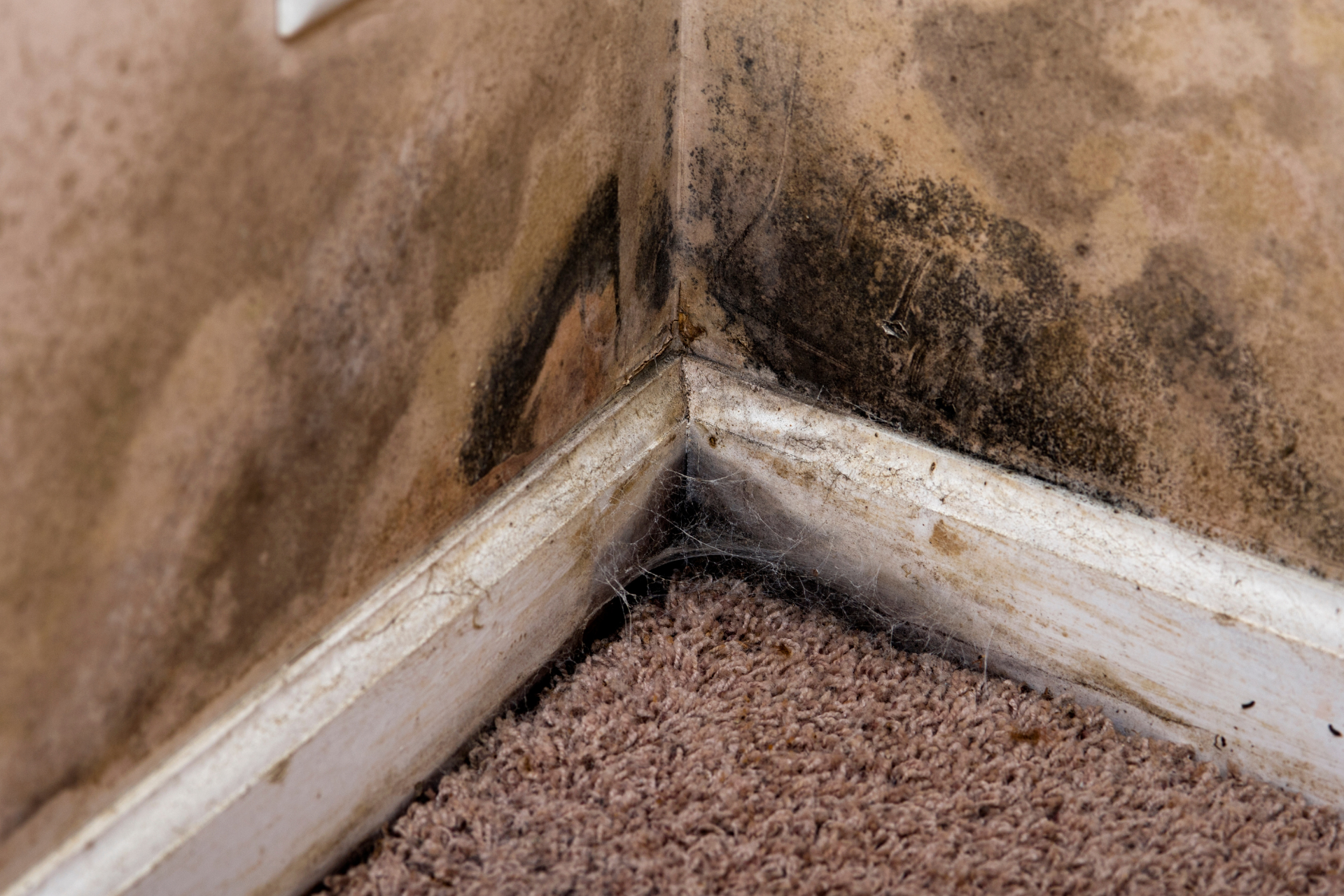
One of the key factors contributing to mold growth in basements is water intrusion. Whether it's from a leaking pipe, a cracked foundation, or high humidity levels, excess moisture can create the perfect breeding ground for mold. As soon as you notice any signs of water damage, such as dampness, musty odors, or visible mold growth, take immediate action to address the source of the problem. Repair leaks, improve drainage, and consider installing a dehumidifier to regulate humidity levels in your basement.
2. Improve Ventilation
Proper ventilation is essential for preventing mold growth in your basement. Without adequate airflow, moisture can become trapped and linger in the air, leading to condensation and mold development. Make sure your basement is well-ventilated by installing vents, fans, or windows to promote air circulation. Opening windows periodically, especially during dry and sunny days, can help reduce humidity and prevent mold from taking hold.
3. Keep Your Basement Dry
Regularly inspect your basement for any signs of water damage or moisture buildup. Check for leaking pipes, cracks in the walls or foundation, and ensure that your sump pump is functioning properly. If you have a basement window well, make sure it is properly sealed to prevent rainwater from seeping in. Consider applying a waterproof sealant to vulnerable areas to create a barrier against water intrusion and keep your basement dry and mold-free.
4. Reduce Clutter and Improve Organization
Clutter can not only attract dust and debris but also create hiding spots for mold to grow. Keep your basement clean and organized by decluttering regularly and storing items in sealed containers or plastic bins. Avoid stacking items directly on the floor, as this can prevent proper air circulation and encourage mold growth. By keeping your basement clutter-free, you'll make it easier to spot and address any potential mold issues before they become a major problem.
5. Inspect and Maintain Your HVAC System
Your HVAC system plays a crucial role in maintaining indoor air quality and preventing mold growth. Regularly inspect and maintain your heating and cooling system to ensure that it is functioning efficiently. Change air filters regularly, clean ducts and vents, and consider installing a HEPA filter to trap mold spores and other allergens. Proper HVAC maintenance can help regulate humidity levels and prevent mold from thriving in your basement.
In conclusion, preventing mold growth in your Utah basement requires diligence, awareness, and proactive measures. By addressing water intrusion promptly, improving ventilation, keeping your basement dry, reducing clutter, and maintaining your HVAC system, you can create a mold-resistant environment that promotes the health and well-being of your home. If you do encounter a mold problem that is beyond your control, don't hesitate to contact Utah Flood Guys for professional mold removal services. Remember, a clean and mold-free basement is essential for a safe and healthy living space for you and your family.
You might also like
Utah Flood Guys Blog