Can Mold Removal Make You Sick? Understanding the Risks
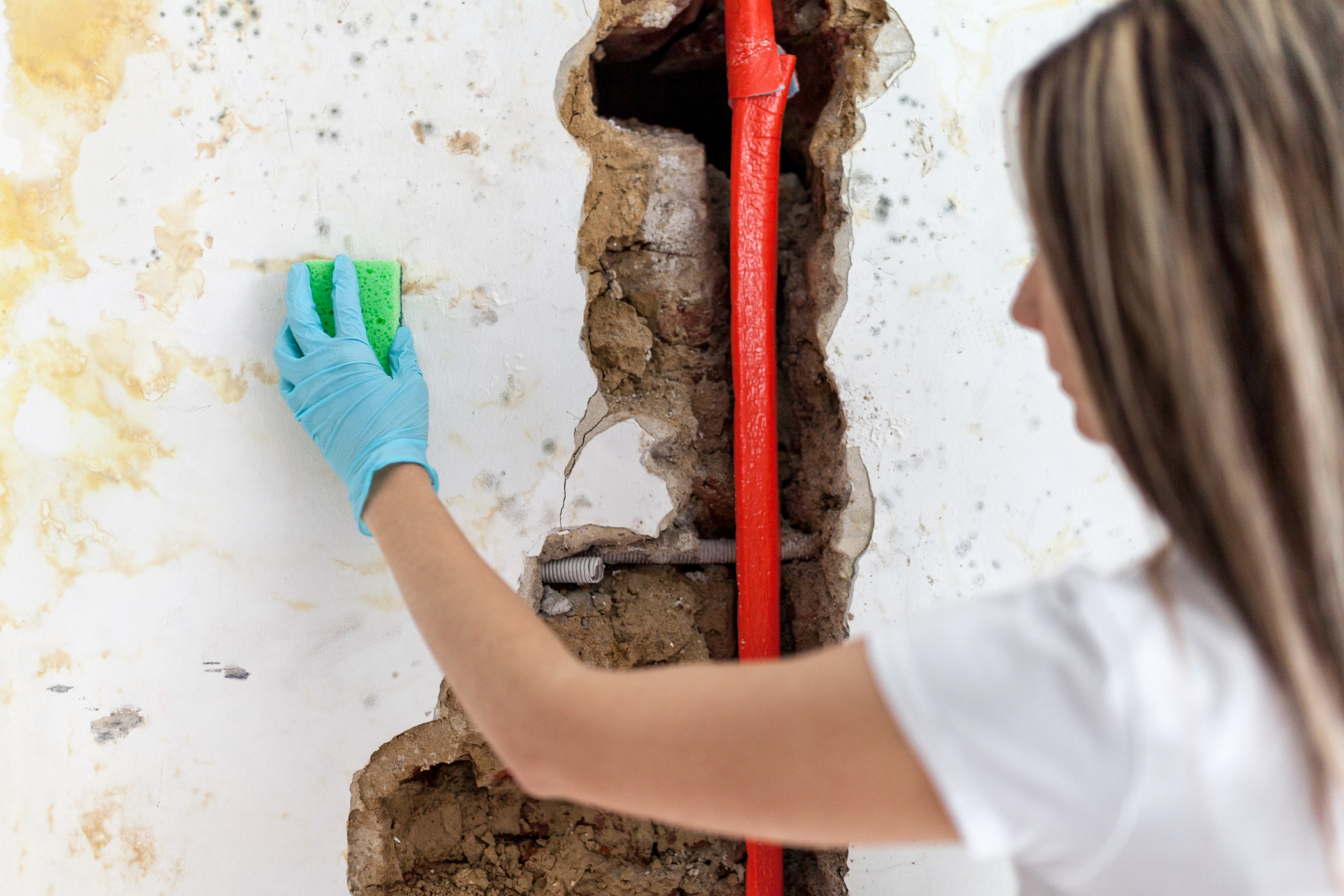
Mold is one of those pesky problems that can sneak up on you, especially in damp areas or after water damage. At Utah Flood Guys, we understand the urgency behind mold removal, but there's often a lingering question: can the process of mold removal make you sick? Let’s break it down.
What is Mold?
Mold is a type of fungus that thrives in moist environments. While most molds are harmless, some can produce allergens, irritants, and even toxic substances known as mycotoxins. When you have a mold problem in your home or business, it’s essential to act quickly to remove it, not just for the sake of your property but for your health.
Potential Health Risks of Mold Exposure
Before we dive into the risks associated with mold removal itself, we should address the hazards of mold exposure. Breathing in mold spores can cause a range of health issues, particularly for those with allergies, asthma, or weakened immune systems. Symptoms might include:
- Sneezing and runny nose
- Coughing and throat irritation
- Skin rashes or irritations
- Headaches
- Sinus congestion
In more severe cases, some molds can lead to respiratory infections or other serious health conditions, especially in vulnerable individuals.
The Mold Removal Process
Now, let's talk about mold removal. This typically involves identifying hidden mold, removing contaminated materials, and using specialized cleaning agents to eradicate mold spores from surfaces. While professional mold removal is generally safe and effective, it does come with some risks—mostly related to exposure during the removal process.
Can Mold Removal Make You Sick?
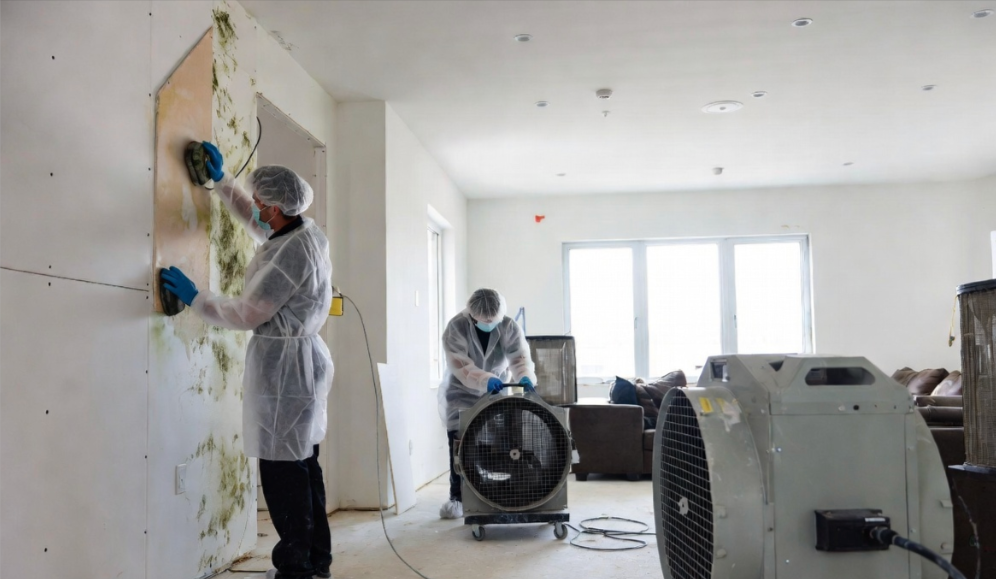
The short answer is: yes, it can make you sick—especially if safety precautions aren’t followed. During the removal, disturbed mold spores can become airborne, leading to potential inhalation and exposure. That’s why it’s so crucial to employ trained professionals, like the experts at Utah Flood Guys, who know how to manage these risks effectively.
Safety Measures During Mold Removal
To minimize health risks during mold removal, reinforced safety measures should be in place. Here are some essential practices:
1. Personal Protective Equipment (PPE)
Mold removal specialists should wear proper PPE, including N95 respirators, gloves, and protective eyewear to reduce the risk of inhalation or skin contact.
2. Containment
The area should be sealed off to prevent mold spores from spreading to unaffected sections of the building. This often involves setting up plastic barriers and using negative air pressure machines to filter out the air.
3. Air Filtration
Using HEPA filters during the cleanup helps capture mold spores and improves air quality.
4. Post-Removal Cleaning
Once the mold is removed, it's essential to clean and disinfect the area to prevent any remaining spores from re-establishing themselves.
Conclusion
While mold removal can carry some health risks, hiring a professional restoration company like Utah Flood Guys ensures the job is done safely and effectively. Understanding the potential hazards allows you to take the right precautions and protect your health. If you suspect a mold problem in your home or business, don’t hesitate to reach out. Your health and safety are worth it!
You might also like
Utah Flood Guys Blog