Black Mold vs. Other Types of Mold: What You Need to Know
When it comes to mold, it's essential to understand the differences between various types to mitigate the risks effectively. Mold can be a pesky and potentially hazardous issue, especially when it comes to black mold. Utah Flood Guys is here to breakdown the differences between black mold and other types of mold, helping you navigate the world of mold issues with confidence.
What is Black Mold?
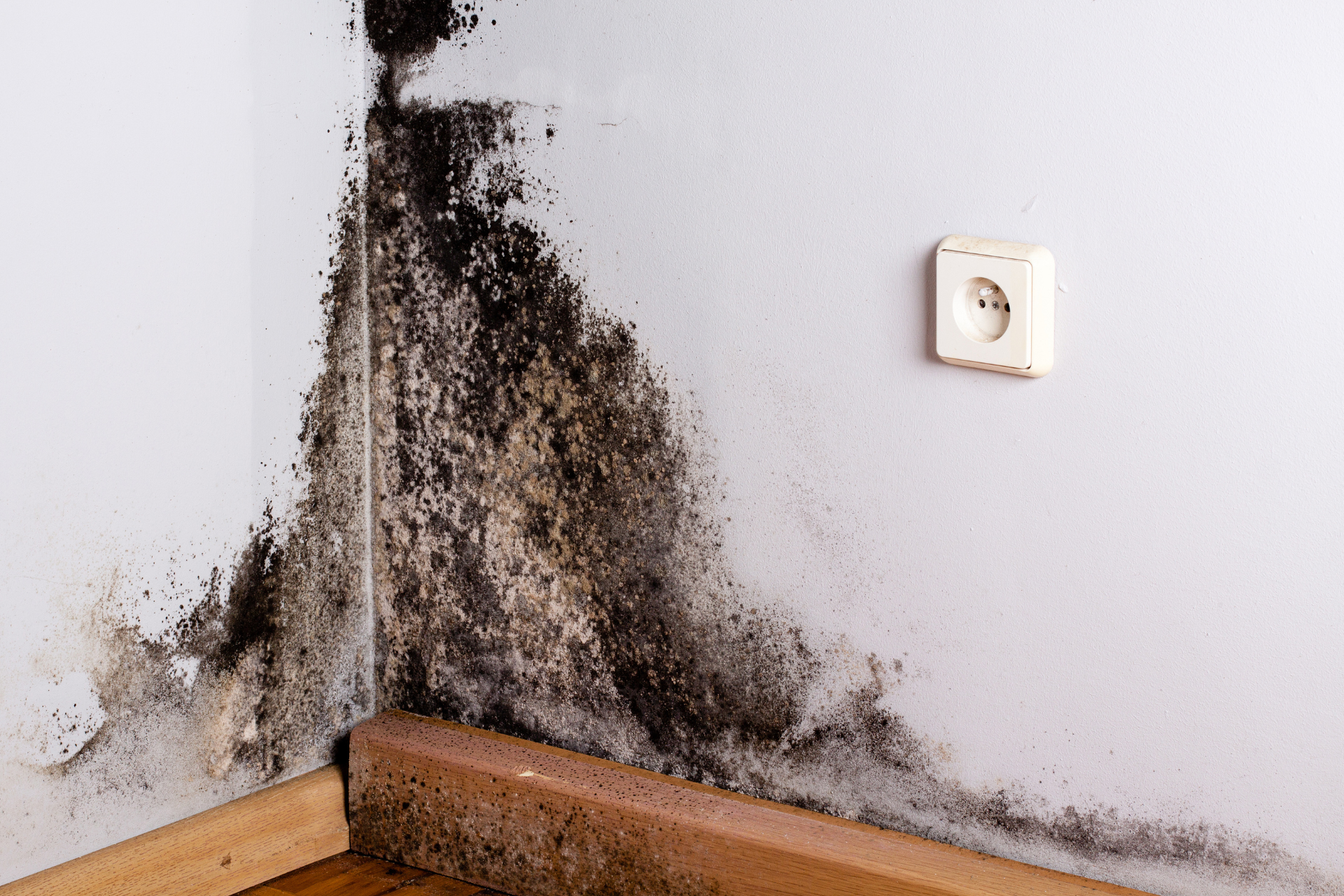
Let's start with the infamous black mold, also known as Stachybotrys chartarum. This type of mold tends to grow in damp, dark, and humid environments. It has a distinct dark green or black color and a slimy texture when wet. Black mold releases spores into the air, which can lead to respiratory issues, allergic reactions, and other health problems when inhaled or touched.
Other Types of Mold
While black mold grabs the headlines, there are various other types of mold that can pose health risks and property damage. Some common types include Cladosporium, Penicillium, and Aspergillus. These molds can come in different colors, textures, and levels of toxicity.
Differences in Appearance
Black mold stands out due to its dark green or black color. In contrast, other molds may appear in various colors, including green, white, gray, or brown. The appearance of mold can vary depending on the moisture levels, surface type, and other environmental factors.
Health Risks
Black mold is notorious for its potential health risks, as exposure to its spores can lead to respiratory issues, coughing, wheezing, skin irritation, and in severe cases, lung infections. Other types of mold can also cause allergic reactions, asthma attacks, and other health problems, especially for individuals with existing respiratory conditions or compromised immune systems.
Environmental Conditions
Black mold thrives in damp, dark, and humid environments. It often grows on materials like drywall, wood, paper, and cardboard that have been exposed to water damage. Other types of mold can grow in a broader range of environments, including bathrooms, kitchens, basements, and areas with poor ventilation.
Prevention and Removal
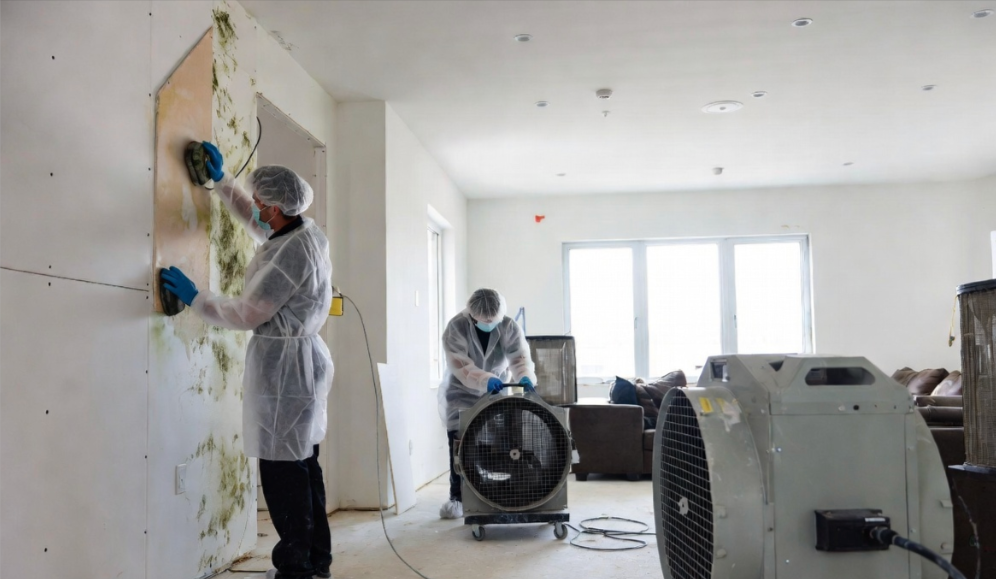
Preventing mold growth is key to avoiding potential health risks and property damage. Regularly inspecting your property for signs of water damage, fixing leaks promptly, and maintaining proper ventilation can help deter mold growth. In case of mold infestations, it's crucial to seek professional help for safe and thorough removal.
Utah Flood Guys: Your Mold Cleanup Experts
At Utah Flood Guys, we understand the impact of mold on properties and the health of occupants. Our team is equipped with the knowledge, experience, and tools to handle mold removal effectively and efficiently. Whether you're dealing with black mold or other types of mold, we provide comprehensive services for residential and commercial properties in Utah.
Conclusion
Black mold may be the most notorious type of mold, but it's essential to be aware of other mold varieties and their potential risks. By understanding the differences between black mold and other types of mold, you can take proactive steps to prevent mold growth and safeguard your property and health. If you're facing a mold issue, trust Utah Flood Guys to provide expert mold removal services tailored to your needs. Stay informed, stay safe, and let us help you tackle mold problems with confidence.
You might also like
Utah Flood Guys Blog