Air Quality Testing After Mold Remediation
If you’ve recently had mold remediation performed in your home or place of business, you’re probably feeling a sense of relief that the problem has finally been addressed. Mold can pose serious health risks and compromise the structural integrity of a building, so getting rid of it is a top priority. However, once the mold has been removed, it’s essential to follow up with air quality testing to ensure that your indoor environment is safe for occupancy.
At Utah Flood Guys, we understand the importance of thorough mold remediation and post-remediation testing. Our team of experts is dedicated to providing comprehensive restoration services for residential and commercial properties in Utah. In this blog post, we’ll discuss the significance of air quality testing after mold remediation and how it can help you breathe easier in your space.
Why is air quality testing necessary after mold remediation?
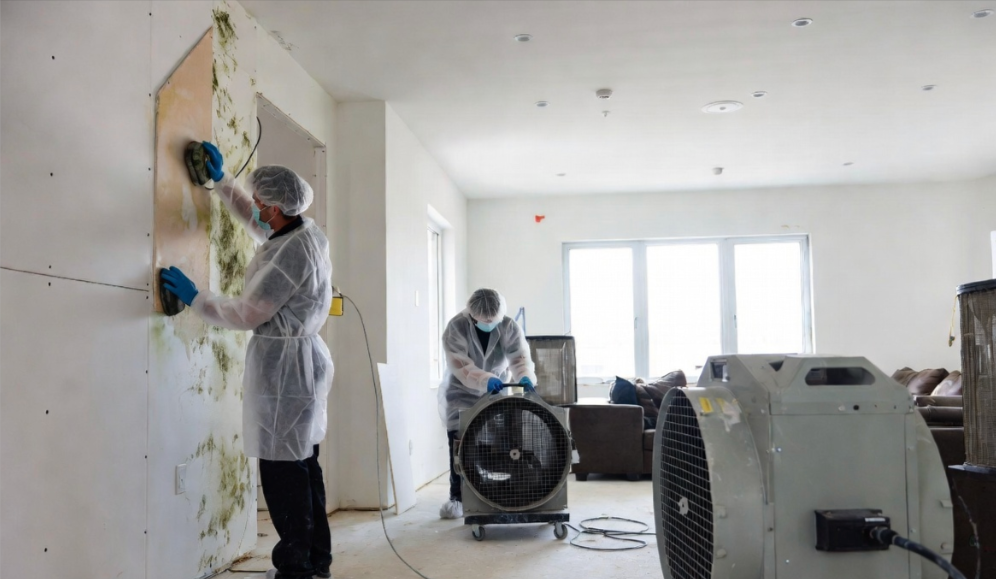
Mold remediation is a multi-step process that involves identifying and removing mold growth from the affected area. While mold removal is crucial for eliminating the visible signs of contamination, it may not address underlying issues such as airborne mold spores or the presence of mycotoxins. These toxins can linger in the air even after the visible mold has been removed, posing a risk to your health and wellbeing.
Air quality testing involves taking samples of the indoor air and analyzing them for the presence of mold spores, volatile organic compounds (VOCs), and other contaminants. By conducting air quality testing after mold remediation, you can determine if the cleanup process was successful and if the indoor air is safe to breathe. This testing can also help identify any ongoing moisture issues that may lead to mold growth in the future.
What are the benefits of air quality testing?
Peace of mind
Knowing that your indoor air quality has been tested and verified can give you peace of mind that your home or business is a safe environment for occupants. This is especially important for individuals with respiratory issues or compromised immune systems.
Verification of remediation effectiveness
Air quality testing serves as a final check to ensure that the mold remediation process was successful. By confirming that the air is free of mold spores and other contaminants, you can be confident that your property is clean and healthy.
Identification of hidden mold growth
Mold can sometimes be hidden behind walls, ceilings, or in HVAC systems, making it difficult to detect with the naked eye. Air quality testing can help identify these hidden mold sources and guide further remediation efforts.
Compliance with regulations
In some cases, air quality testing may be required by local regulations or insurance companies as part of the mold remediation process. By conducting thorough testing, you can ensure that your property meets all necessary guidelines and standards.
How is air quality testing conducted?
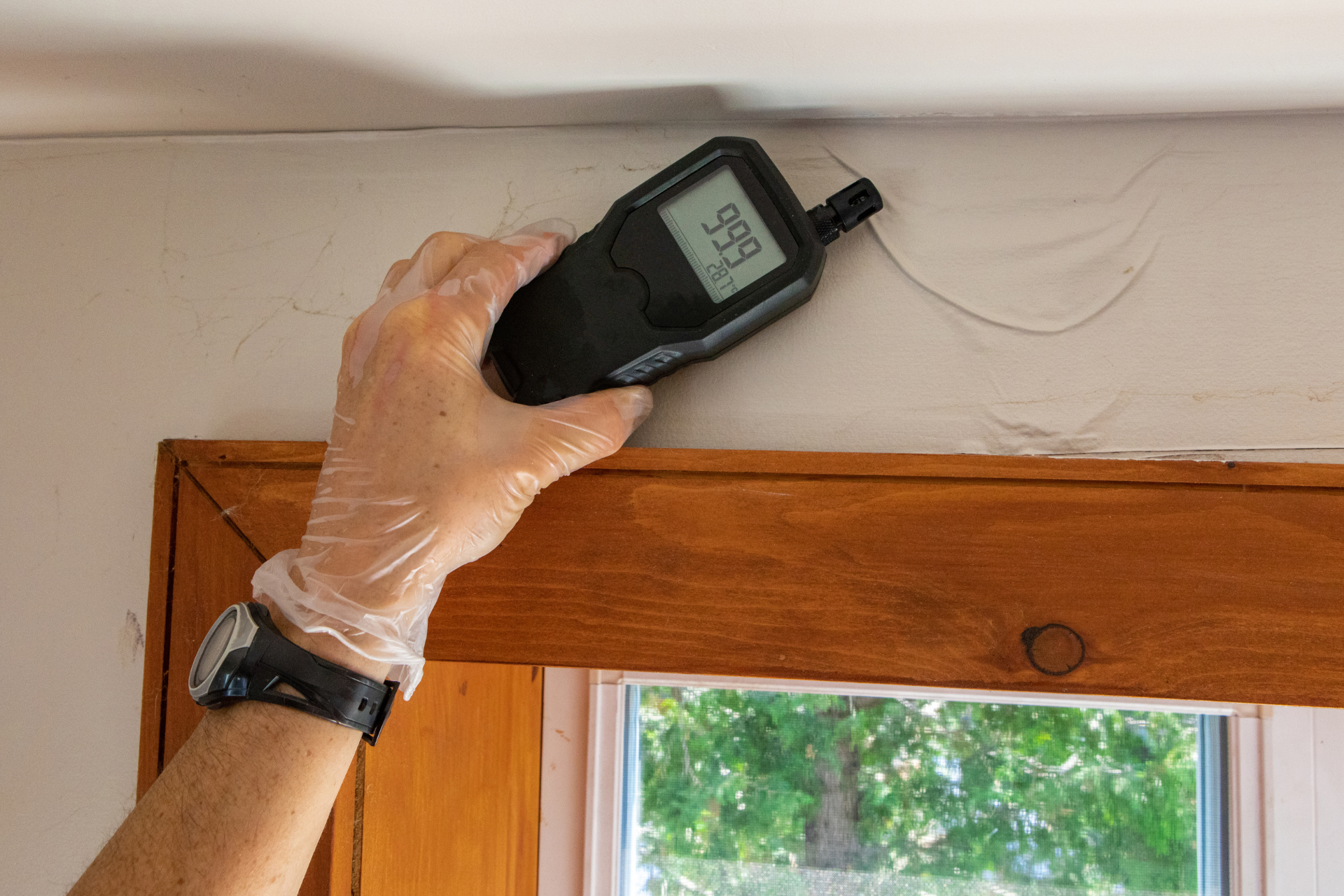
Air quality testing is typically performed by professional environmental consultants who specialize in indoor air quality assessments. These experts use specialized equipment to collect air samples from various areas of the property, including the affected areas and areas adjacent to the remediated spaces. The samples are then sent to a laboratory for analysis.
Once the results are available, the environmental consultant will provide you with a detailed report outlining the findings and recommendations for further action, if necessary. If elevated levels of mold spores or other contaminants are detected, additional remediation measures may be required to address the issue.
At Utah Flood Guys, we work closely with trusted environmental consultants to ensure that our clients receive accurate and reliable air quality testing results. Our goal is to provide you with a comprehensive and effective mold remediation service that prioritizes your health and safety.
In conclusion, air quality testing after mold remediation is a crucial step in ensuring the health and safety of your indoor environment. By investing in professional testing services, you can verify the effectiveness of the remediation process, identify hidden mold sources, and create a healthy living or working space for yourself and others. Trust the experts at Utah Flood Guys to provide you with top-notch restoration services that exceed your expectations. Contact us today to learn more about our mold remediation and air quality testing services.
Remember, your health and wellbeing come first, so don’t compromise on the quality of your indoor air. Choose Utah Flood Guys for all your restoration needs, and breathe easier knowing that your property is in good hands.
You might also like
Utah Flood Guys Blog