How to Properly Dry Out Your Home After Flooding
Dealing with a flood in your home can be one of the most stressful experiences you’ll ever face. Whether it’s from a heavy storm, a burst pipe, or a malfunctioning appliance, water damage can wreak havoc on your property. At Utah Flood Guys, we understand that your top priority is restoring your home to its former state. Let’s walk through the essential steps to properly dry out your home after flooding and prevent further damage.
Safety First
Before diving into the cleanup process, safety should always be your primary concern. Turn off the electricity in affected areas to avoid electrical hazards. Wear rubber boots and gloves to protect yourself from contaminants that may be present in the floodwaters. If the water is deep, it’s best to evacuate and leave the cleanup to professionals.
Assess the Damage
Once it’s safe, assess the extent of the damage. Check for standing water and the sources of moisture, such as wet carpets, furniture, and walls. It’s crucial to document the damage, so take photos for insurance purposes. This will help you when filing claims later on.
Remove Standing Water
The first step in drying out your home is eliminating standing water. Use a wet/dry vacuum if the water isn’t too deep. For larger volumes, consider contacting Utah Flood Guys for professional assistance. We have specialized equipment to remove water quickly and efficiently.
Ventilation is Key
After removing standing water, ventilation is essential for drying out remaining moisture. Open all windows and doors to allow fresh air to circulate. If weather permits, use fans to create airflow throughout the affected areas. The more air movement, the quicker your home will dry out.
Dehumidification
In addition to good ventilation, using dehumidifiers can help reduce indoor humidity levels. These devices are designed to extract moisture from the air, speeding up the drying process. Place them strategically in the most affected areas to maximize their effectiveness.
Dry Out Your Belongings
While it’s important to focus on your home’s structure, don’t forget about your belongings. Remove wet items like carpets, upholstery, and clothing. Wash them in hot water, or if they are heavily soiled, consider discarding them. For items that can't be cleaned, like certain types of drywall or insulation, replacing them may be necessary to prevent mold growth.
Check for Mold
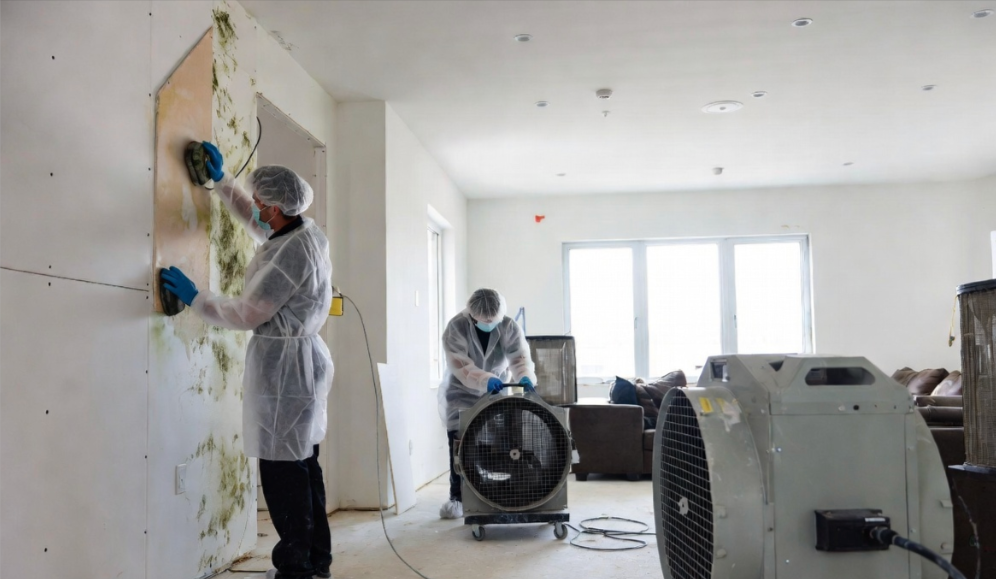
Mold can begin to form within 24-48 hours after a flood, so it's vital to act quickly. Keep an eye out for any musty odors or visible mold growth. If you suspect mold is forming, it’s best to call in experts like Utah Flood Guys to handle the situation. We specialize in mold removal and know how to tackle even the most stubborn cases.
Monitor and Maintain
Even after drying out your home, continue to monitor areas that may have retained moisture. Ensure that all surfaces are completely dry, and regularly check for any signs of mold or mustiness. It’s also wise to consider professional inspection services to guarantee the restoration of your home.
Final Thoughts
Flooding can be a daunting experience, but with the right approach, you can effectively dry out your home and minimize the damage. Remember, when in doubt, reach out to experts like Utah Flood Guys. We’re here to help restore your peace of mind and get your home back in shape. Don’t hesitate to contact us for any water damage or restoration services; we’ve got your back!
You might also like
Utah Flood Guys Blog