How to Prevent Flood Damage: Tips for Utah Residents
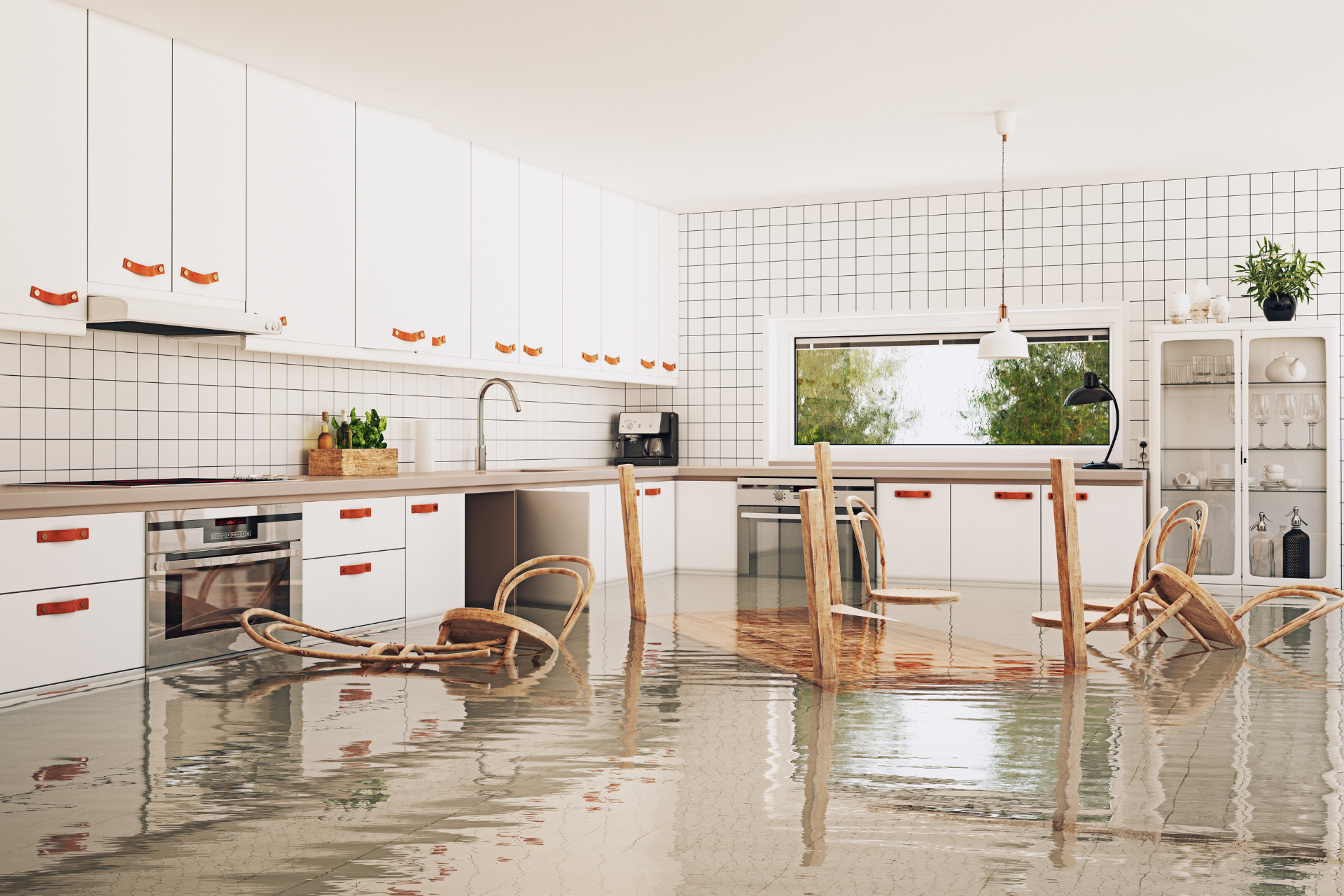
Living in Utah, we are fortunate to enjoy beautiful landscapes and unique weather patterns. However, with the dry climate and occasional heavy rains, flooding can unfortunately be a reality for many Utah residents. As the saying goes, prevention is key, and taking proactive steps to safeguard your home or business from flood damage can save you time, money, and stress in the long run. In this blog post, Utah Flood Guys will share some practical tips and strategies to help you prevent flood damage and protect your property.
1. Stay Informed
Keep an eye on weather forecasts and pay attention to any flood warnings or alerts in your area. Being aware of potential risks can help you take necessary precautions and avoid potential water damage.
2. Inspect and Maintain Gutters and Downspouts
Regularly check your gutters and downspouts for debris such as leaves, twigs, and other blockages. Make sure they are clean and in good condition to ensure proper drainage during heavy rainfall.
3. Properly Landscape Your Property
Evaluate the slope of your yard and ensure that it is graded away from your home or building to prevent water from pooling around the foundation. Consider using landscaping techniques such as planting shrubs or installing retaining walls to redirect water flow.
4. Install Sump Pumps and Backflow Valves
Sump pumps can help remove excess water from your basement or lower levels, while backflow valves can prevent sewer water from entering your home during a flood. These systems can provide an extra layer of protection against water damage.
5. Seal Cracks and Gaps
Inspect the foundation of your home for any cracks or gaps that could allow water to seep in. Seal these areas with waterproofing materials to prevent water intrusion during a flood.
6. Elevate Appliances and Electricals
If possible, elevate appliances such as water heaters, furnaces, and electrical panels to reduce the risk of damage from flooding. If your basement is prone to flooding, consider relocating these items to a higher level.
7. Invest in Flood Insurance
While homeowner's insurance typically does not cover flood damage, purchasing a separate flood insurance policy can provide financial protection in case of a flood-related disaster. Contact your insurance provider to learn more about your options.
8. Create a Flood Emergency Plan
Develop a comprehensive flood emergency plan for your family or business that includes evacuation routes, emergency contacts, and important documents. Be prepared to act quickly in the event of a flood warning or alert.
9. Consider Professional Flood Prevention Services
At Utah Flood Guys, we offer a range of flood prevention services to help Utah residents safeguard their properties against water damage. From basement waterproofing to sewer backup prevention, our experienced team can provide customized solutions tailored to your specific needs.
By following these tips and strategies, you can take proactive steps to prevent flood damage and protect your property in Utah. Remember, the key to minimizing the impact of flooding is preparation and prevention. Stay safe, stay informed, and trust Utah Flood Guys for all your disaster restoration needs. Let's work together to keep your home or business safe and secure.
You might also like
Utah Flood Guys Blog