10 Tips for Safely Handling Fire Damage in Utah Properties
Introduction:
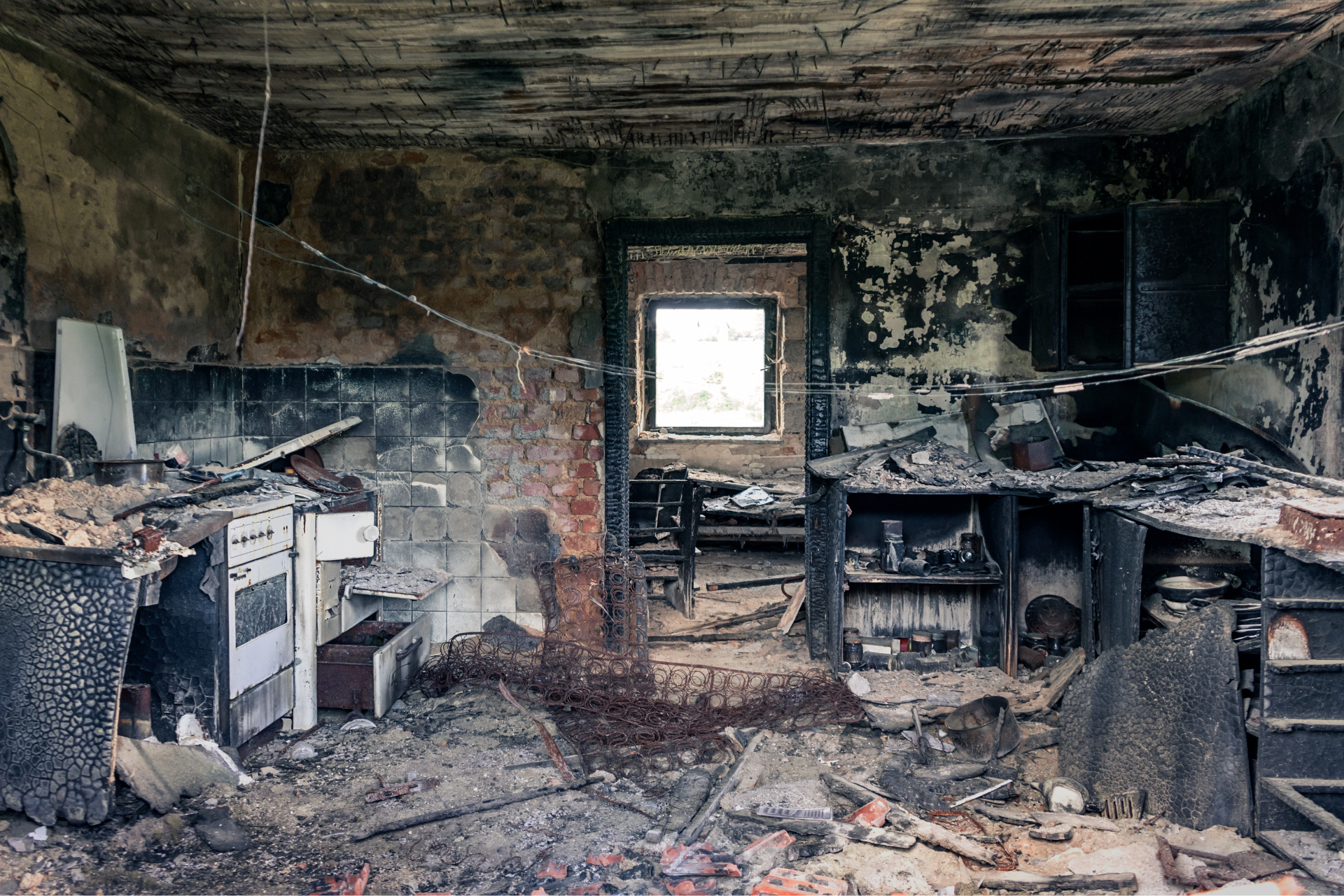
When it comes to fire damage, the aftermath can be overwhelming for Utah property owners. Fires can ravage homes and businesses, leaving behind destruction and emotional distress. At Utah Flood Guys, we understand the importance of safe and efficient fire damage restoration. In this blog post, we will provide you with 10 essential tips for safely handling fire damage in Utah properties.
1. Prioritize Safety First:
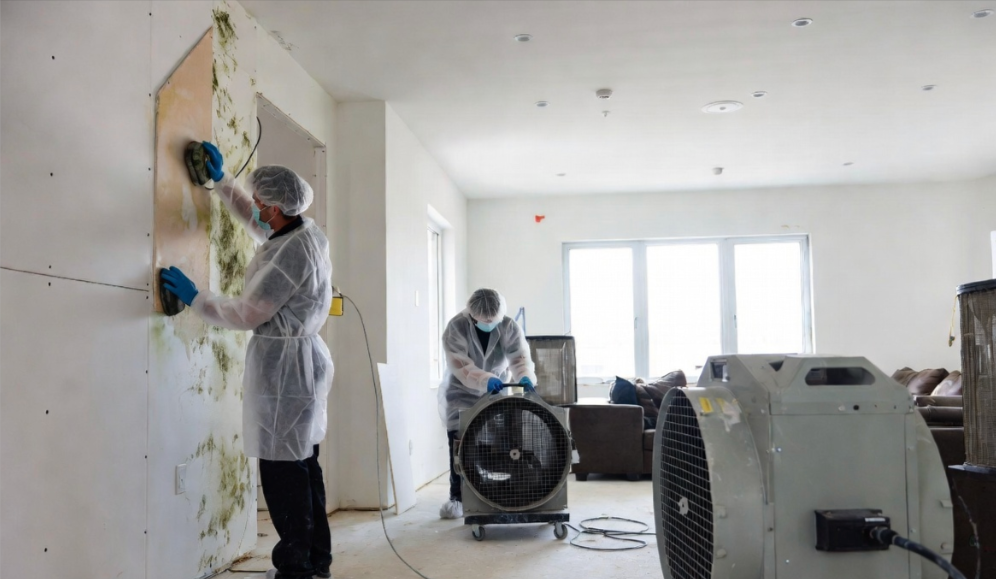
Before entering a fire-damaged property, ensure that it is safe to do so. Check for structural damage, electrical hazards, and unstable areas. Wear proper safety gear such as gloves, goggles, and a mask to protect yourself from potential hazards like soot, smoke residue, and toxic fumes.
2. Contact Your Insurance Company:
As soon as it is safe to do so, contact your insurance company to report the fire damage. Provide them with all the necessary information and documentation to begin the claims process. Keep detailed records of all communication and expenses related to the fire damage restoration.
3. Secure the Property:
To prevent further damage or potential looting, secure your property by boarding up windows, doors, and any other openings. This will also help protect your property from the elements and unauthorized access.
4. Document the Damage:
Take photos and videos of the fire damage before any cleanup or restoration efforts begin. This visual documentation will be essential for insurance claims and to track the progress of the restoration process.
5. Remove Standing Water:
If water was used to extinguish the fire, it is crucial to remove any standing water promptly. Water can cause additional damage, promote mold growth, and compromise the structural integrity of the property.
6. Address Smoke and Soot Damage:
Smoke and soot can permeate every surface of a property, leaving behind a strong odor and staining. Hire a professional fire damage restoration company like Utah Flood Guys to properly clean and deodorize the affected areas. Avoid using household cleaners or DIY methods, as they may worsen the damage.
7. Dispose of Fire-Damaged Items Properly:
Dispose of any items that are beyond repair or restoration in a safe and environmentally friendly manner. Consult with local authorities or waste management services for guidance on proper disposal methods for fire-damaged materials.
8. Air Out the Property:
Proper ventilation is essential to remove lingering smoke odor and improve air quality. Open windows and doors, use fans, and consider investing in air purifiers to help freshen the indoor air.
9. Address HVAC Systems:
Have your HVAC system professionally inspected and cleaned to remove any smoke particles or soot residue that may have infiltrated the ductwork. This will help prevent the spread of contaminants and improve indoor air quality.
10. Schedule Professional Fire Damage Restoration:
For comprehensive and effective fire damage restoration, trust the experts at Utah Flood Guys. Our team of experienced professionals will assess the extent of the damage, develop a customized restoration plan, and restore your property to its pre-fire condition quickly and efficiently.
Conclusion:
Dealing with fire damage can be a challenging and stressful experience for Utah property owners. By following these 10 tips for safely handling fire damage, you can navigate the restoration process with confidence and peace of mind. Remember, safety should always be your top priority, and seeking professional help from a trusted restoration company like Utah Flood Guys is crucial for a successful fire damage restoration.
You might also like
Utah Flood Guys Blog